
Put a carbon monoxide (CO) alarm within 15 feet of every bedroom. That's the Illinois rule. Then add one on every level of the house, including the basement, and keep them out of the kitchen and away from the furnace itself.
Check them before you turn the heat on in fall. The first cold night is when furnaces start running hard, and it's when a lot of alarms go off for the first time.
What Illinois law requires
Illinois has required carbon monoxide alarms in homes since 2007. Under the Carbon Monoxide Alarm Detector Act, every home needs at least one approved CO alarm, in working order, within 15 feet of every room used for sleeping. Buildings with more than one unit need the same thing near every bedroom in every unit.
The law covers homes that burn fuel for heat, cooking or hot water, and homes with an attached garage, according to the Illinois State Fire Marshal. If you have a gas furnace, boiler, water heater or stove, that's you.
- Approved alarms only. Look for a label from a national testing lab, such as UL.
- Three kinds are allowed: battery powered, plug-in with a battery backup, or wired into the house with a battery backup.
- Combination smoke and CO alarms count, as long as they meet the rules for both and make a different sound for each danger.
Stand in a bedroom doorway. If the nearest CO alarm is more than about 15 feet away, add one.
Where to put carbon monoxide detectors, and where not to
The 15-foot rule is the legal minimum. The U.S. Consumer Product Safety Commission goes a step further: an alarm on every level of the home and outside each sleeping area. Alarms that are linked together are best, so when one sounds, they all sound.
- In the hallway outside each group of bedrooms
- On every floor, including the basement where the furnace and water heater are
- In a finished basement or attic room someone sleeps in
- Near the door to an attached garage
Where you leave them out matters too. The CPSC doesn't recommend putting CO alarms in kitchens or right above fuel-burning appliances, and says to keep them away from heating vents and anywhere furniture or drapes could cover them. For height and mounting, follow the instructions that came with your alarm.
Heads up
Don't mount a CO alarm on the furnace or water heater, or right above it. You want the alarm where people sleep and breathe, not where it will trip every time a burner lights.
Two-flats, condos and rentals
Older buildings across the north suburbs, like the two-flats and courtyard buildings in Evanston, often have a furnace or boiler in each unit, or one shared boiler in the basement. Either way, every unit needs its own alarm within 15 feet of its bedrooms. An alarm in the basement next to the boiler doesn't cover the family two floors up.
Illinois splits the job between owner and tenant. The owner supplies and installs the alarms and gives tenants written instructions for testing them. The tenant tests the alarms, changes the batteries and reports any problem they can't fix in writing. The owner must make sure the batteries work on move-in day.
One landlord told us, "the tenant on the 1st floor has individual heating, and she said that when she turned the furnace on, that the carbon monoxide detector went off." In a building with several units, an alarm in each one is how you find out which furnace needs a look.
Why to check them in fall
Your furnace sits for months, then runs nearly nonstop once it's cold. That first stretch is when problems with the vent, the burner or the heat exchanger show up. A working alarm in the right spot is your warning if exhaust isn't leaving the house the way it should.
Callers often tell us an alarm went off once the heat was running. "My mom's carbon monoxide alarms went off. The fire department went over there and they said it's coming from the furnace," one caller said. Another came home to find "all of my carbon monoxide detectors are going off." Some callers phone before anything happens, because they're scared to turn the heat on at all. "I was sort of like afraid to even cut my heat on when it was cold those nights because I'm scared of it," one told us.
- Press the test button on every CO alarm in the house.
- Replace the batteries in battery and backup units.
- Check the date on the back. If it's past the replacement date the maker lists, replace the alarm.
- Walk each bedroom doorway and make sure an alarm is within 15 feet.
- Move any alarm that's in the kitchen, above the furnace or behind a curtain.
What to do when a carbon monoxide alarm goes off
Get everyone outside to fresh air, then call 911 or the fire department. The CPSC says not to go looking for the source yourself. Don't go back in until the fire department says it's safe.
Heads up
Never ignore a CO alarm, and never take the batteries out to stop the noise. Carbon monoxide has no color and no smell. The alarm is the only warning you get.
After the fire department clears the house, the next step is finding out why. One caller told us the fire department wanted a heating technician to check the furnace for a crack before the heat went back on. King answers the phone 24/7 for calls like that.
What a fall furnace tune-up checks
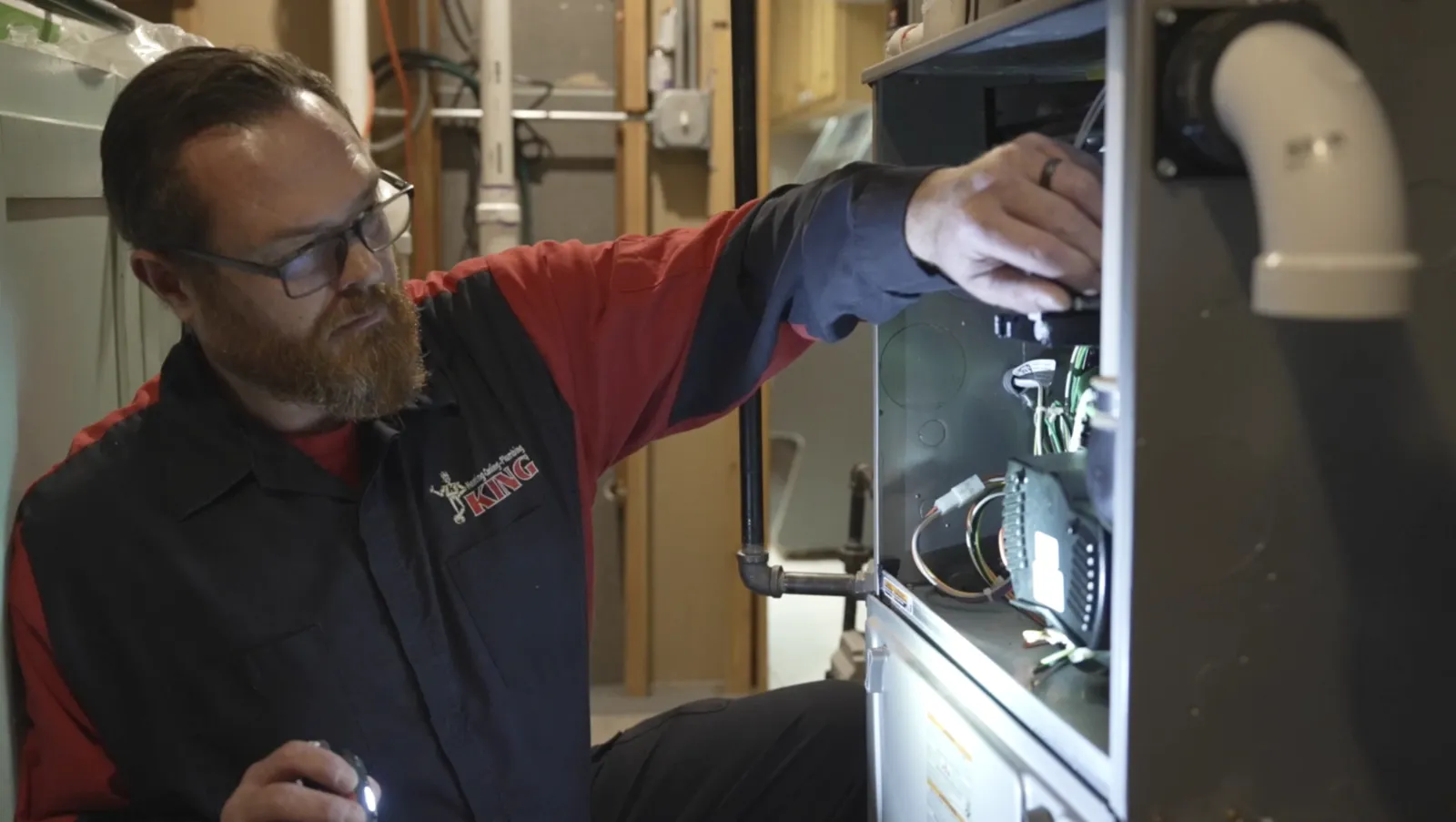
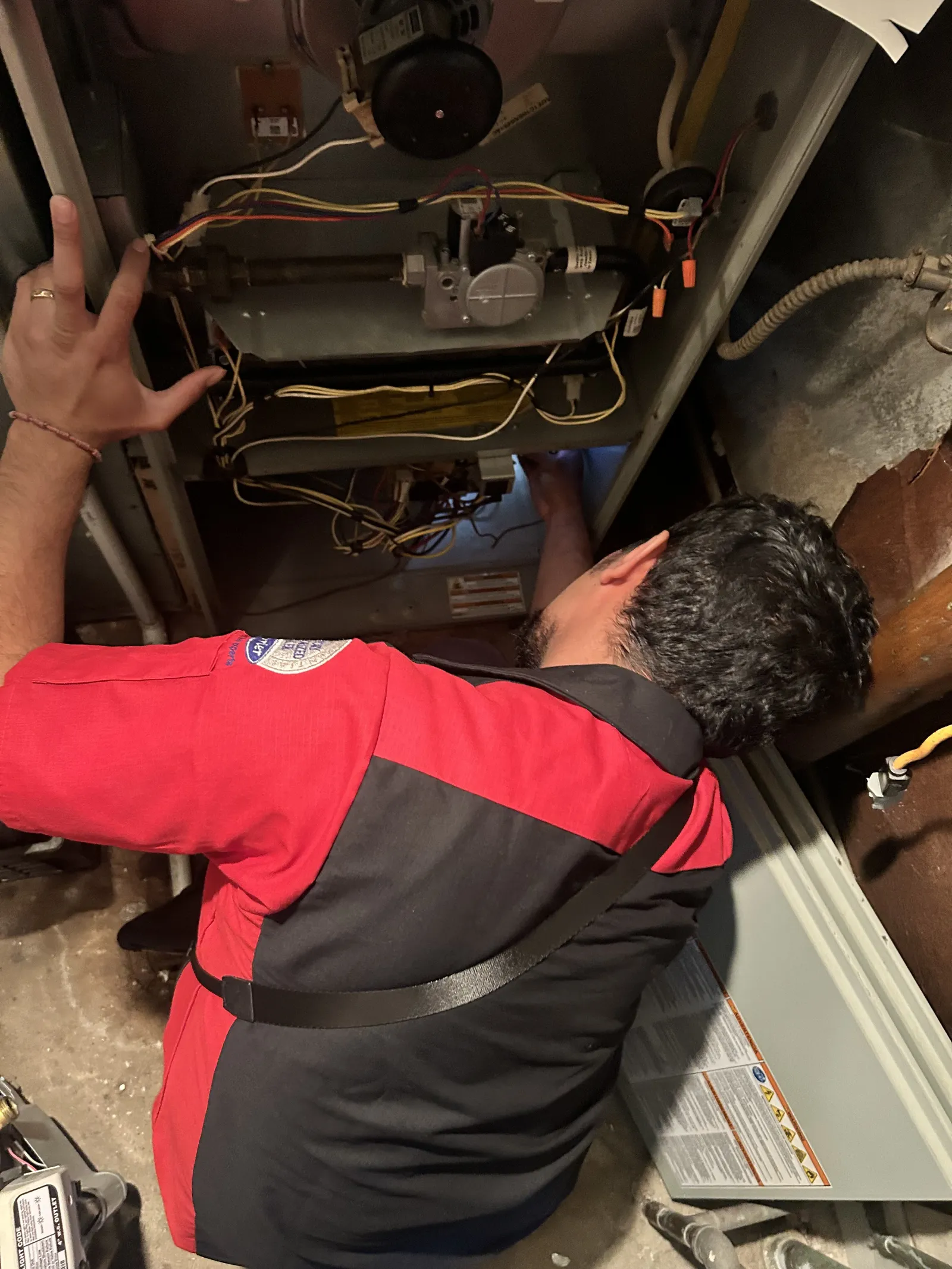
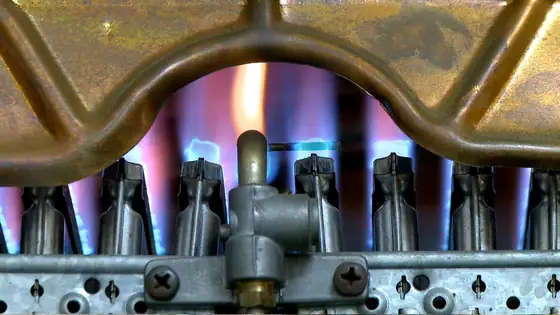
An alarm tells you there's a problem. A tune-up looks for the problem before it starts. During King's furnace tune-up, the technician examines the vent system, tests the exhaust, examines the heat exchanger, checks gas connections and tests the safety controls. Those are the parts that keep combustion gases moving out of your home.
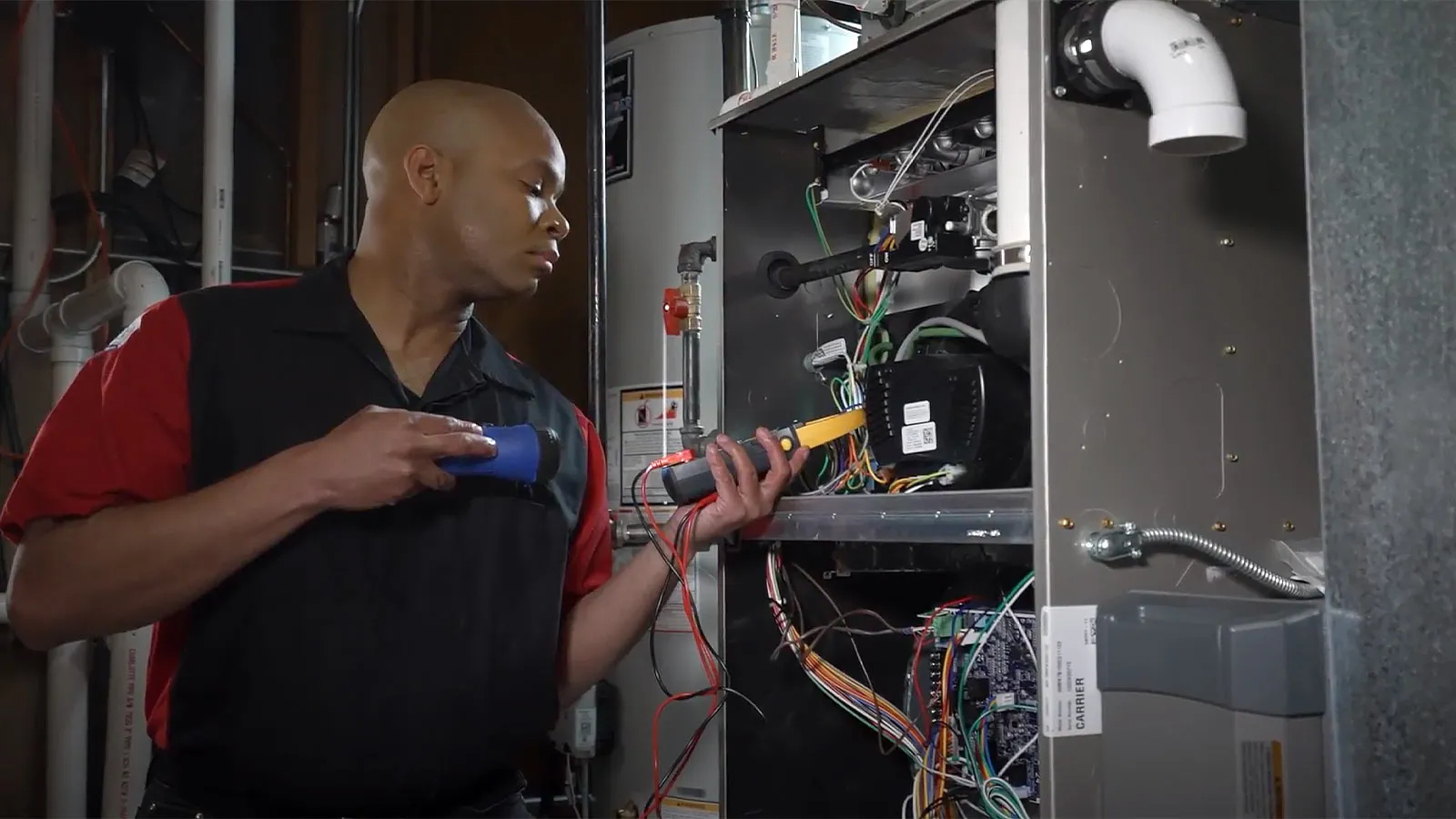
Some callers ask whether a tune-up checks for carbon monoxide. The tune-up checks the venting, exhaust and heat exchanger, which is where carbon monoxide problems start. It doesn't replace your alarms, and your alarms don't replace a tune-up. You want both.
For more on how gas furnaces stay safe, read Are gas furnaces dangerous?, how furnace vent pipes work and what the heat exchanger does. Current tune-up offers are on our coupons page.