
When a furnace smells like burning the first time you turn it on in fall, it's usually dust burning off. Dust settles on the burners and heat exchanger over the summer, and the first few heating cycles cook it off. That smell should fade within the first day.
A smell that doesn't fade, smells like hot plastic or wires, or smells like rotten eggs is different. Those need a technician, and a rotten egg smell means leave the house now.
The normal first-heat burning smell
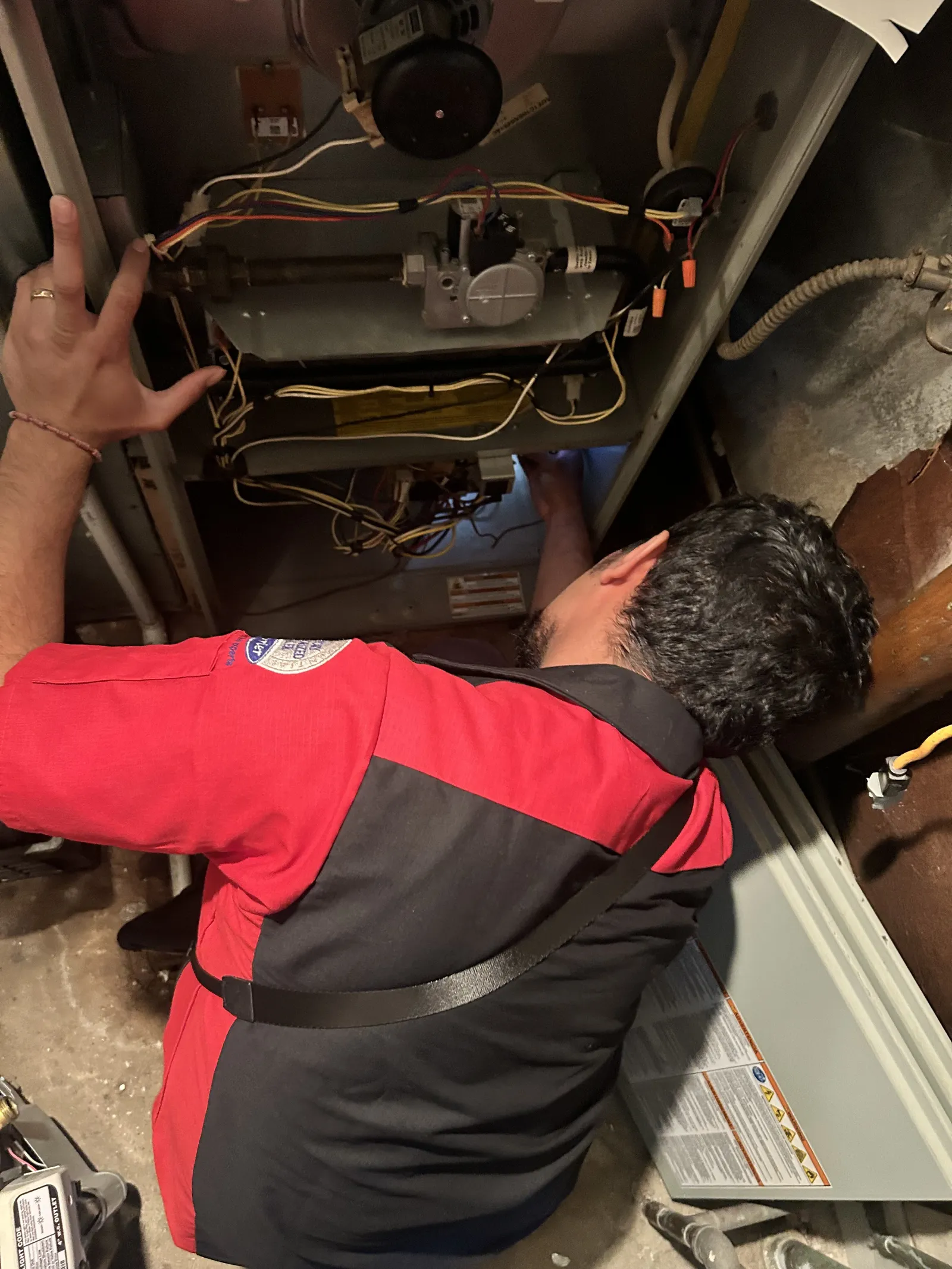
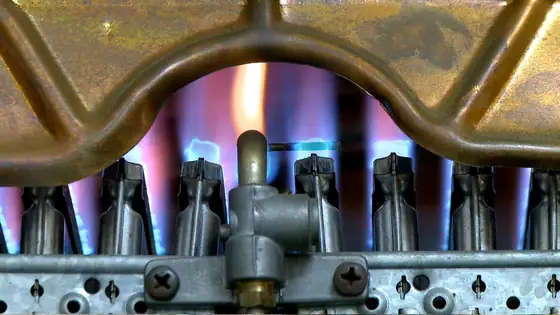
Your furnace sits from spring until the first cold night. In that time, a thin layer of dust settles on the burners, the heat exchanger and inside the ducts. When the burners light again, that dust heats up and burns off. It smells dusty, a little like a hot toaster or a space heater that hasn't been used in a while.
Callers often describe a smell the first time the heat kicks on for the season. One said, "when I turned the heat on last night, I smelled like a burning smell when I turned it on. So it's producing heat and everything like that, but it's a smell." Another noticed "a metallic smell" and added, "This is the first time that the heat has come on." Heat coming out and a dusty smell that fades is the normal pattern.
A dusty smell that fades within the first day is usually normal. A smell that's still there the next day, or comes back every time the heat runs, isn't.
What each furnace smell means
| What it smells like | Likely cause | What to do |
|---|---|---|
| Dusty, like a toaster, on the first run | Dust burning off the burners | Let it run; open a window. Call if it lasts past the first day. |
| Burning plastic, rubber or hot wires | An electrical part overheating, or something touching a hot surface | Turn the furnace off at the thermostat and call a technician. |
| Burning that comes with a pop, clicking or the furnace cycling on and off | A failing part, like a motor or ignition component | Turn it off and call. Don't keep resetting it. |
| Rotten eggs or sulfur | Natural gas | Leave the house now and call from outside. |
| Musty or moldy | Moisture in the ducts, a damp basement or a dirty filter | Change the filter; call if it doesn't clear. |
| Something cooking, like toys or a sock | An item fell into a floor register near the heat | Turn off the heat, let it cool, and check the registers. |
The ones that aren't normal sound different when people call. "We smell a burning wire," one said. Another heard a squealing noise and then smelled "a burned plastic kind of smell" through the vents. Another said, "We heard a pop and then we smell something that was burning. It smelled like it was burning and it kept trying to come on." A furnace that smells hot and keeps trying to restart is protecting itself from something. Shut it off and get it checked rather than letting it keep trying.
If your furnace smells like rotten eggs
Natural gas has no smell on its own. Gas utilities add an odorant so you can smell a leak, and it smells like rotten eggs or sulfur. If you smell it, NIPSCO says to stop what you're doing, leave right away, and call 911 and NIPSCO's emergency line from outside.
Heads up
Don't flip light switches, use the thermostat or try to find the leak. Get everyone outside first, then make the call from a safe distance.
One caller in January described a smell "like rotten eggs or musty" coming from the basement. When you can't tell which it is, treat it as gas and get out. The gas company would rather check a false alarm than miss a leak. Gas isn't always obvious to the people who live with it, either: one customer told us our technician noticed a gas smell while fixing their air conditioner, one the family hadn't caught.
What to do about a burning smell
- Give the first run a few hours. Open a window if the dusty smell bothers you.
- Check the air filter. A dirty filter can add to the smell and makes the furnace run hotter.
- Look at floor registers near the furnace for anything that fell in.
- If the smell is electrical, or still there the next day, turn the furnace off at the thermostat.
- Call a technician to find the source before you run it again.
When you call, our team will ask about smells, noises and leaks, and whether anything feels unsafe right now. Tell them what the smell is like and when it started, and whether it's still there. That helps them send the right help, and fast if it's urgent.
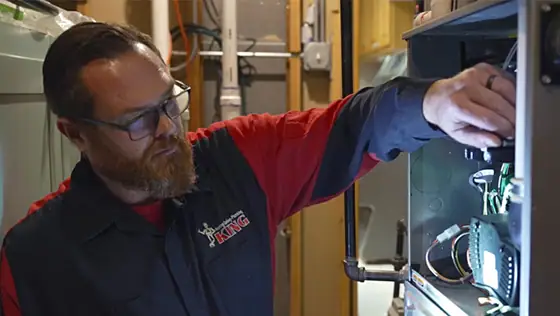
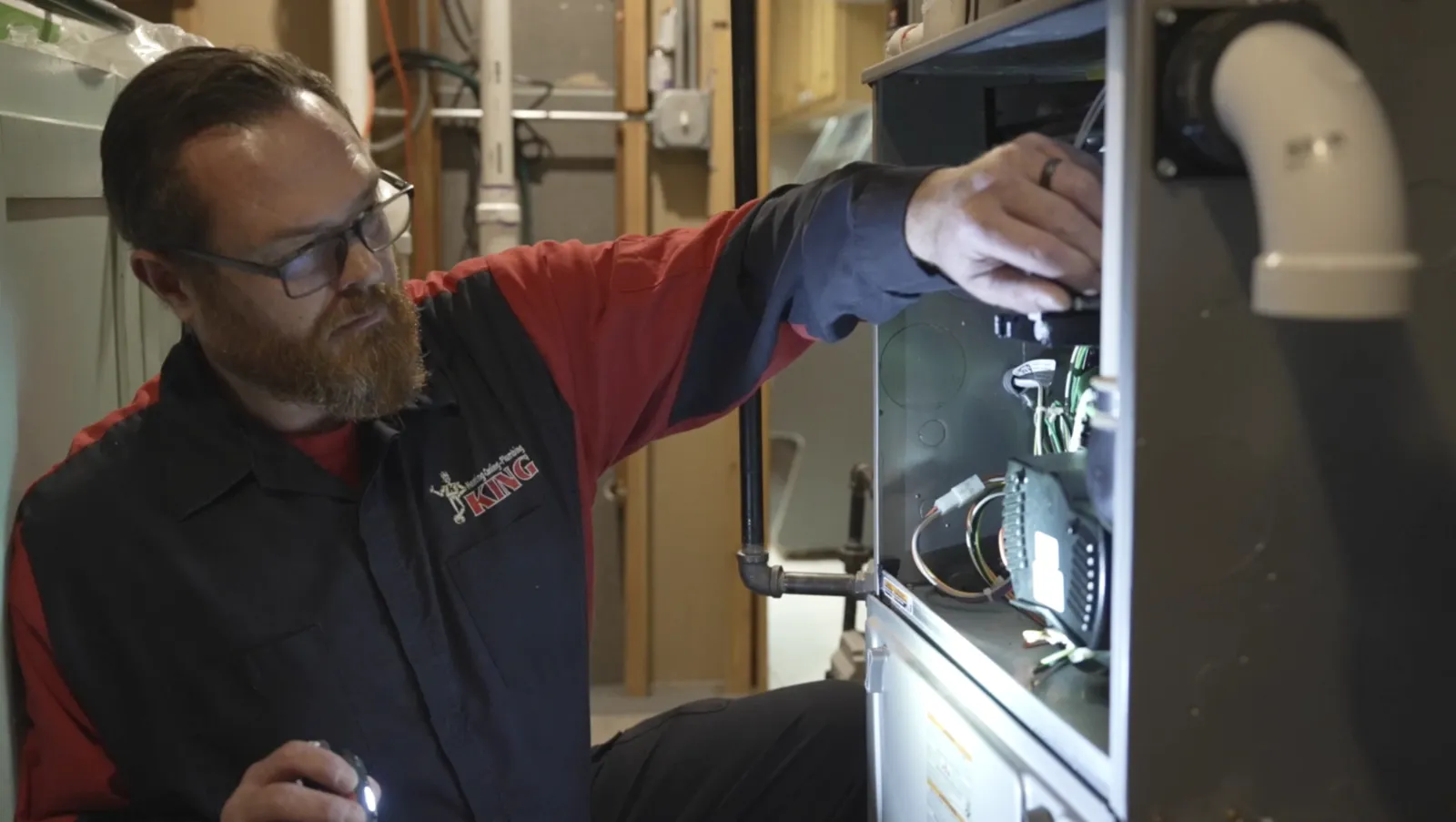
A yearly furnace tune-up before the first cold night cuts down on that first-run smell. The technician inspects and cleans the burner, checks electrical connections and inspects the filter, so less dust is left to burn off. If the smell turns out to be a failing part, King's furnace repair team is on call 24/7.
Why it's common in the Region
In Northwest Indiana, heat often runs from early October into April. That long season, plus older homes with original ductwork in places like Hammond, means more dust in the system and more hours of run time. A dusty first run is expected. What matters is whether the smell goes away.
For more on heating in the Region, read our guide to HVAC and furnace repair in Northwest Indiana. For the safety side of gas furnaces, see Are gas furnaces dangerous?