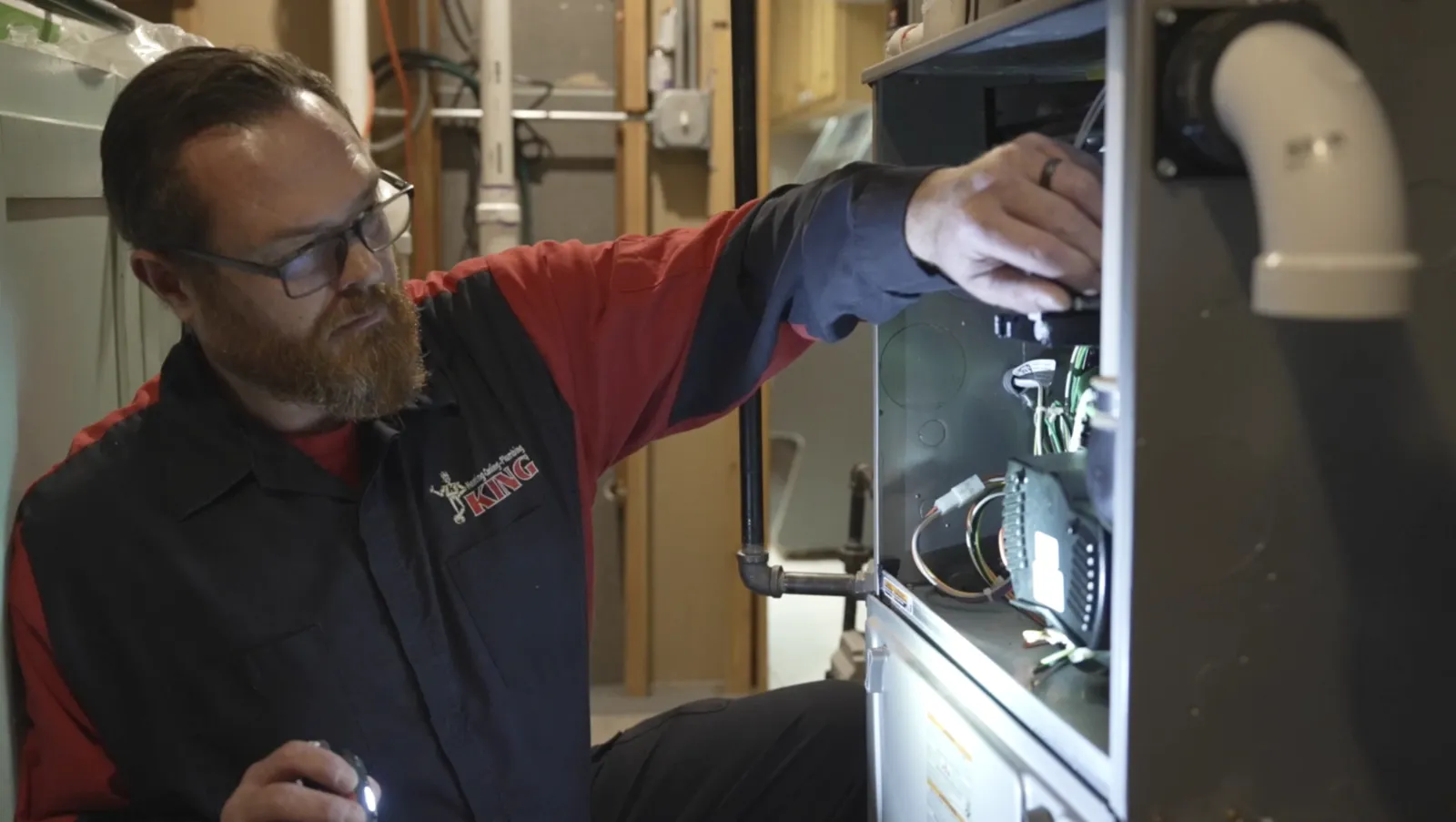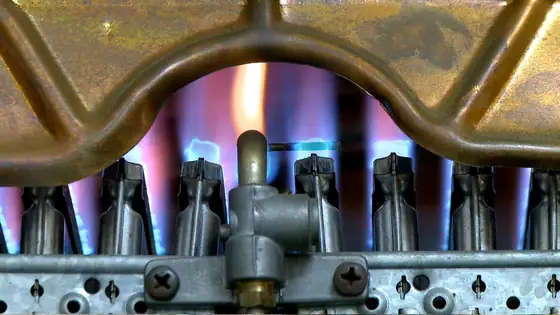

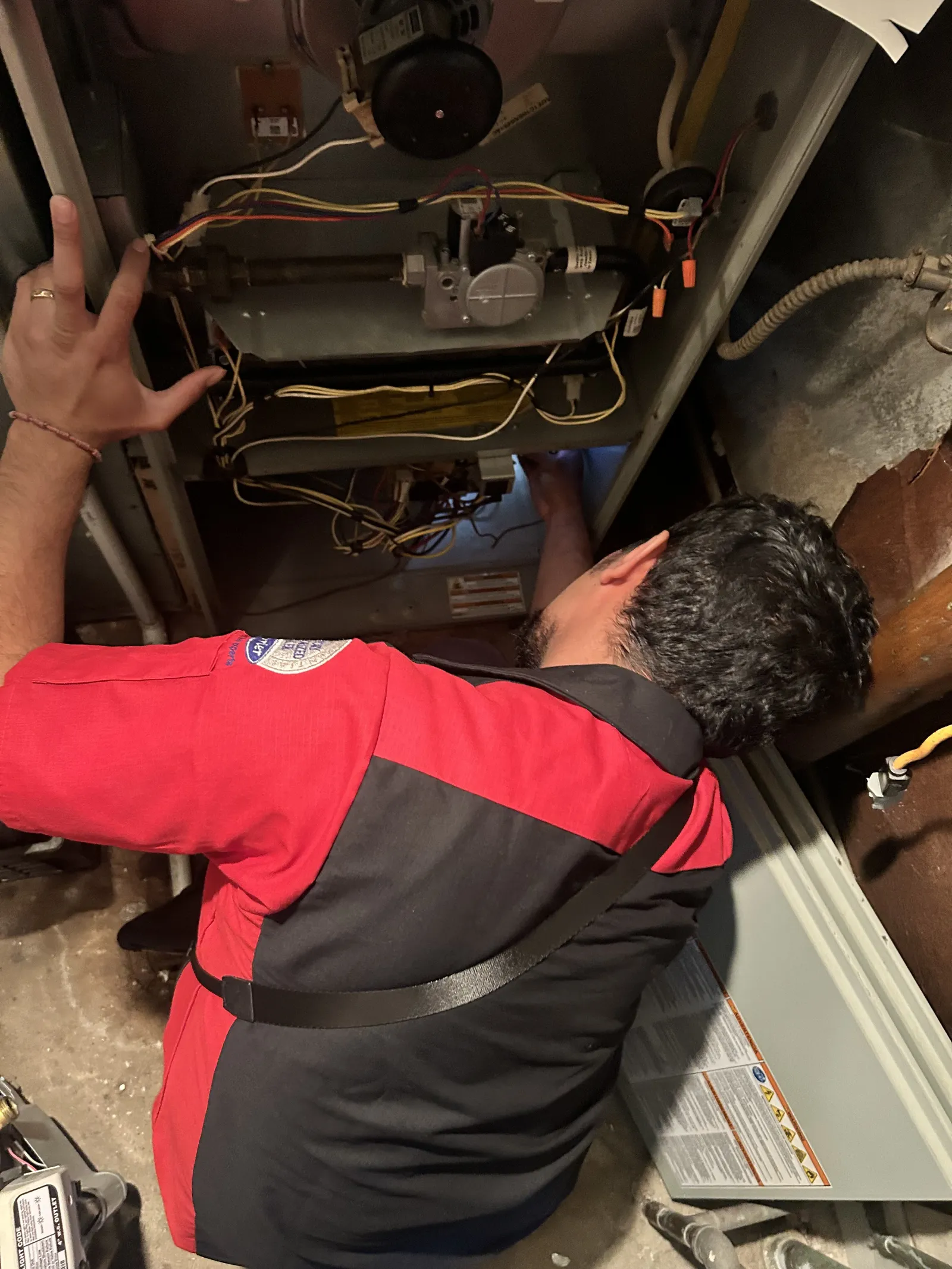
A good fall furnace maintenance checklist has two halves. Your half takes about an afternoon: a new filter, a clear area around the furnace, a thermostat test and working CO alarms. The technician's half covers the parts you shouldn't touch: burners, gas connections, the heat exchanger, venting and safety controls.
Do both once a year, before the first cold snap. Below is the full list, plus what to tell us when you book so the visit covers everything.
Your half of the furnace maintenance checklist
These are the jobs a homeowner can safely do. None of them involve opening the burner area or touching gas parts.
- Change the air filter. Write the size printed on the frame on the furnace with a marker so you never have to guess again.
- Clear a three-foot space around the furnace. Move boxes, laundry, paint cans and anything that burns.
- Open every supply and return vent. Pull furniture and rugs off them.
- Test the thermostat. Switch to heat, set it a few degrees above room temperature and make sure warm air comes out within a few minutes.
- Replace thermostat batteries if yours uses them.
- Test your carbon monoxide alarms and replace the batteries.
- Look outside at the vent pipes. Make sure leaves, nests or debris aren't blocking them.
- Look and listen. Note any water around the furnace, rust, odd smells or noises to mention to the tech.
The technician's half: what a furnace tune-up checks
ENERGY STAR lists what a typical heating check-up should include: thermostat settings, electrical connections, moving parts, gas connections and pressure, burner combustion and the heat exchanger. King's furnace tune-up covers those areas on every visit.
| Area | What the technician does |
|---|---|
| Venting and exhaust | Examines the vent system and tests the exhaust system |
| Burners and ignition | Inspects and cleans the burner, tests the ignition system, inspects the thermocouple |
| Gas and safety | Checks gas connections, tests safety controls, examines the heat exchanger |
| Electrical | Checks voltage and inspects electrical connections |
| Airflow | Inspects the air filter, adjusts blower parts, lubricates motors |
| Controls | Calibrates the thermostat |
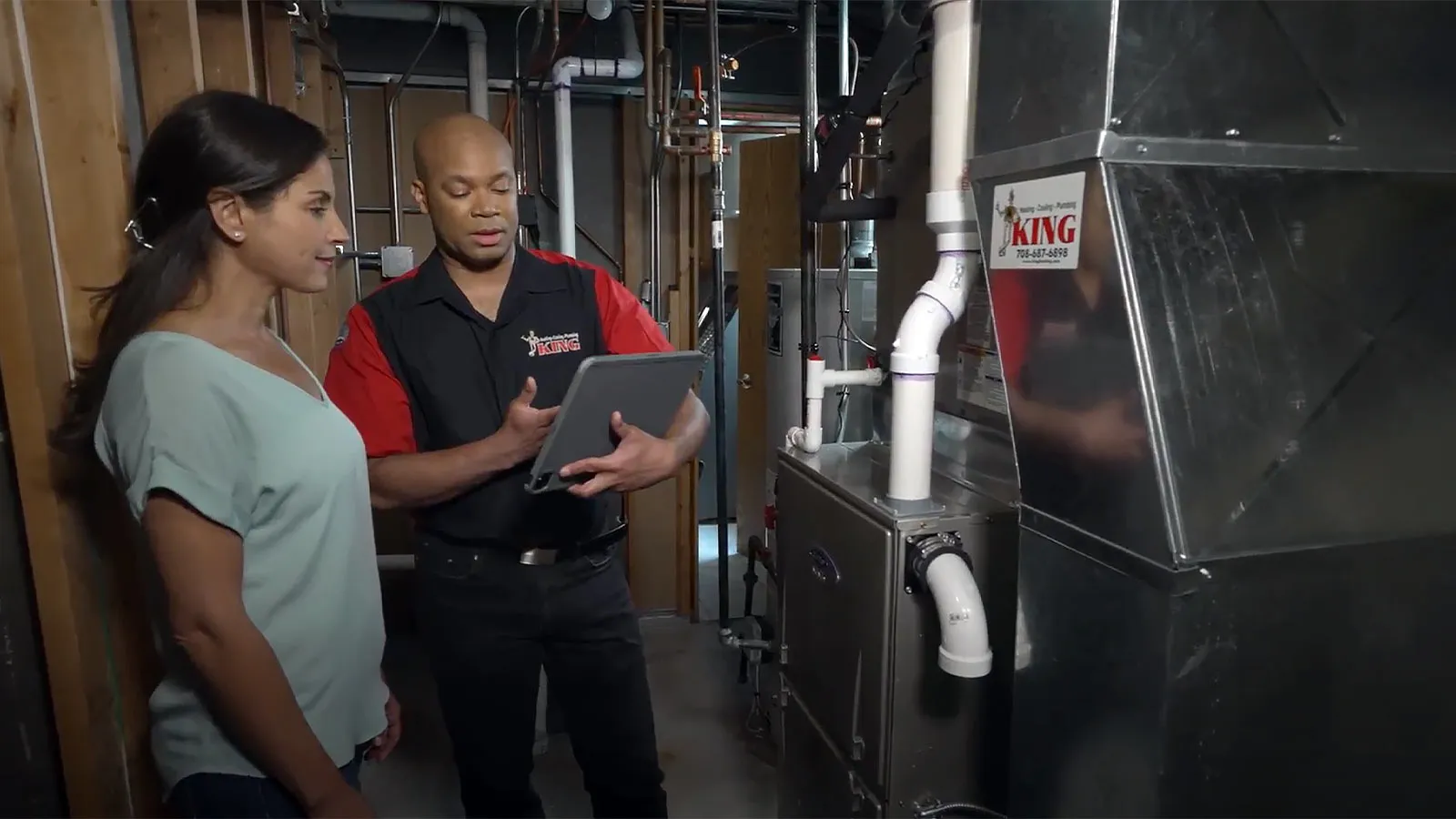
At the end, the tech confirms the furnace heats the way it should. If something needs attention, they explain what they found and give you an up-front price before any repair. You decide whether to fix it now, later or not at all.
Heads up
Leave the gas valve, burners, igniter and heat exchanger to a technician. Working inside the furnace can void the manufacturer's warranty and can make it run poorly or unsafely.
Extra items for older Chicago homes
A lot of Chicago's bungalows, like those in Ashburn, have newer furnaces tied into older ductwork, vents and chimneys. That adds a few things to the list.
- Ductwork that was added later. Rooms that run cold are worth mentioning before the tech starts, so they can look at airflow while they're there.
- A shared chimney. Older homes often vent the furnace and water heater into one chimney. Ask the tech to look at both connections.
- A boiler instead of a furnace. Boilers need their own fall check. King's tune-up covers furnaces, boilers and heat pumps.
What to tell us when you book
When you call, our team will ask whether something's wrong or you just need maintenance on a working furnace. If you've noticed a noise, a smell or a room that won't heat, say so up front.
Then mention the extras, so the right parts are on the truck. Callers often ask the tech to bring furnace filters: homeowners book "a cleaning check of the furnace and get a filter replaced" or ask if they can "get the air filters through you." Callers often add the humidifier too, asking us to "change the humidifier filter and check that out too." Give your filter size and say you have a whole-house humidifier when you book.
Tech tip
Fall fills up fast. In the busiest weeks, the next opening for a tune-up can be 30 days or more out, so book as soon as the nights start getting cold, not after the first no-heat morning.
- Clear the area around the furnace so the tech can open it up.
- Have your filter size ready, or a spare filter on hand.
- Write down any rooms that run cold or any noises you've heard.
- Find the furnace's model sticker or install date if you know it.
- Plan for about 1 to 2 hours. Older systems or ones that haven't been serviced in a while take longer.
How often should a furnace be serviced?
Once a year, in the fall. A yearly tune-up catches small problems before they become a no-heat call, and many manufacturers want proof of yearly maintenance to keep the warranty valid. If it's been more than a year, book one now. There's no bad time for a tune-up.
If you'd rather not keep track, the King Royal Treatment Plan schedules a heating visit and a cooling visit each year for you. For more fall prep, including your AC shutdown, see how to prepare your HVAC system for fall. Current tune-up offers are on our coupons page.