
A water heater that pops, crackles or rumbles almost always has sediment on the bottom of the tank. Minerals from the water settle into a layer, water gets trapped under it, and when the burner or element heats that pocket, it boils and pops through.
It isn't an emergency on its own. But it's a sign the tank is working harder than it should, and a flush is usually the fix.
What causes a water heater to make a popping noise
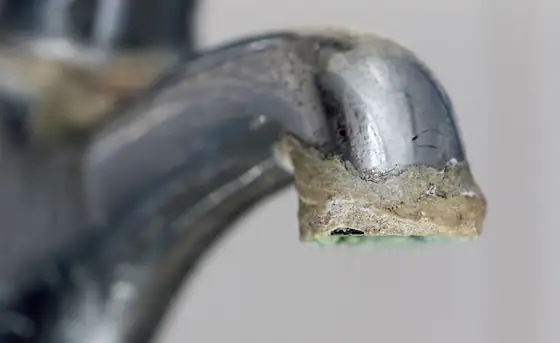
Tap water carries dissolved minerals, mostly calcium and magnesium. When the water heats up, some of those minerals come out of the water and sink. Over months and years, they build a crusty layer on the bottom of the tank.
Water seeps under that layer. When the heat comes on, the trapped water turns to steam bubbles that force their way up through the sediment. Each bubble is a pop. On a gas water heater, the burner sits right under the tank bottom, so the sound is often loudest there. On an electric heater, sediment can bury the lower element and cause the same thing.
King's water heater team lists it plainly: popping or rumbling is usually sediment at the bottom of the tank, and a flush can help.
What different water heater noises mean
| What you hear | Likely cause | What to do |
|---|---|---|
| Popping or crackling when it heats | Sediment on the tank bottom | Have the tank flushed |
| Low rumbling | A thick sediment layer | Flush soon; it's working harder than it should |
| Sizzling or hissing | Water dripping onto the burner or element | Check for a leak; call a plumber |
| Ticking or tapping | Pipes expanding and contracting as they heat | Usually normal |
| Loud bang, or a dripping relief valve | Pressure building in the tank | Call a plumber right away |
Callers describe it in their own words. One said the tank "was, like, making, like, some bubbly noise" and wanted a price to flush it. Another said, "Tank is making noises and I was wondering if I can get a inspection." And sometimes it's hard to tell where the sound is coming from: "Me and my wife heard a loud banging noise coming from the basement, which might be a hot water heater or it could be the furnace."
Tech tip
Stand next to the water heater when someone runs a hot shower upstairs. If the popping starts when the burner lights, it's sediment in the tank, not the furnace or the pipes.
Is a popping water heater dangerous?
Popping from sediment isn't dangerous by itself. But it does cost you. Sediment sits between the heat and the water, so the heater burns more energy to do the same job and the bottom of the tank runs hotter. Over time, that wears the tank out faster.
Heads up
A loud bang, a relief valve that drips or spits water, or water around the base is different. Those can mean pressure is building or the tank is starting to fail. If the tank is leaking, shut off the water supply to it and call a plumber.
How to stop a water heater from popping
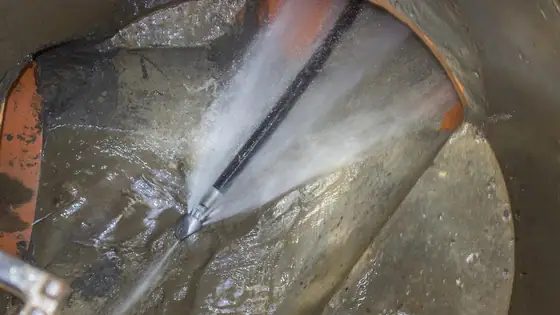
Flush the tank. A flush drains water out through the valve at the bottom, along with the loose sediment. If the sediment is still soft, a flush often quiets the tank right away. If it has hardened into a thick crust, a flush helps less, and that tells you something about how much life the tank has left.
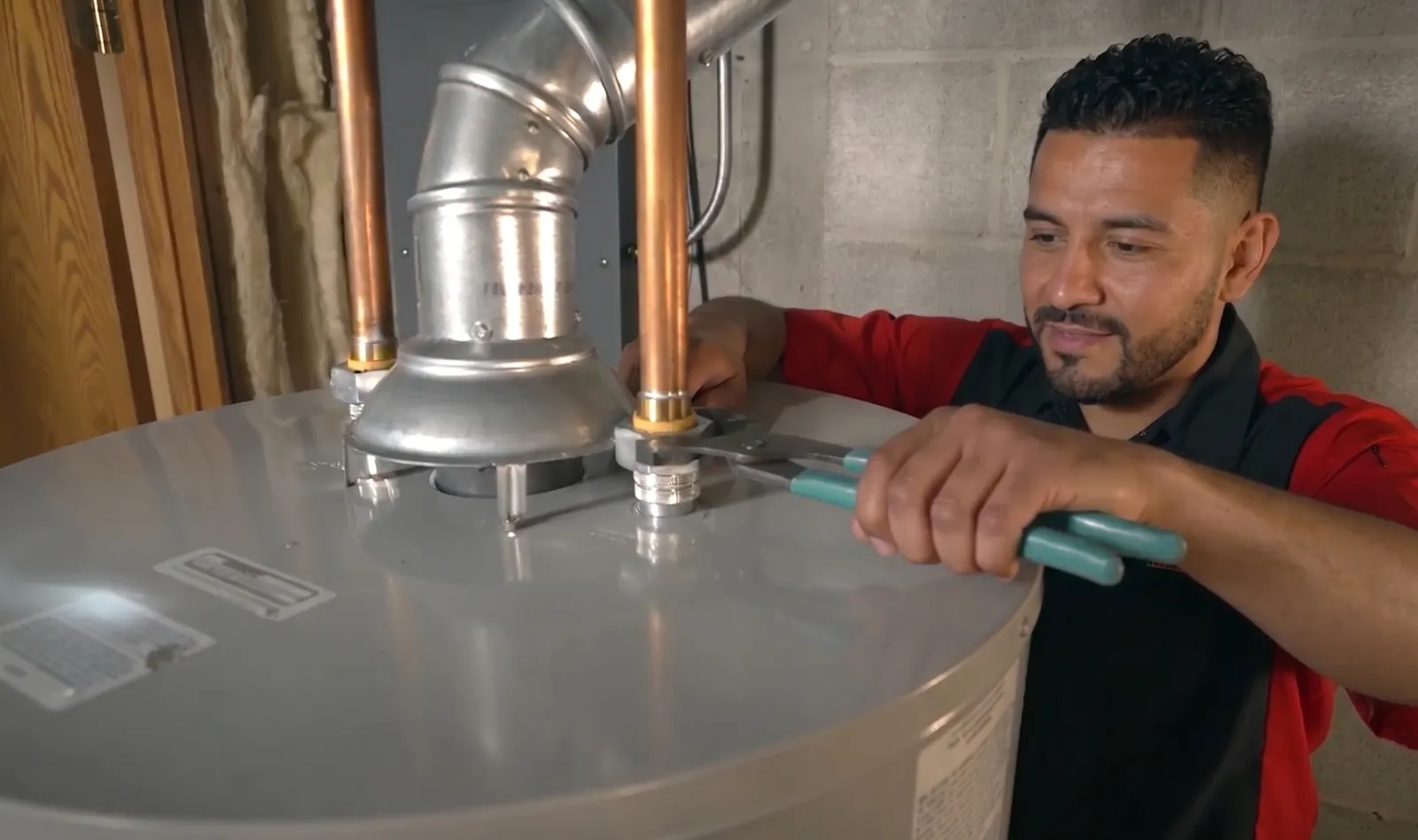
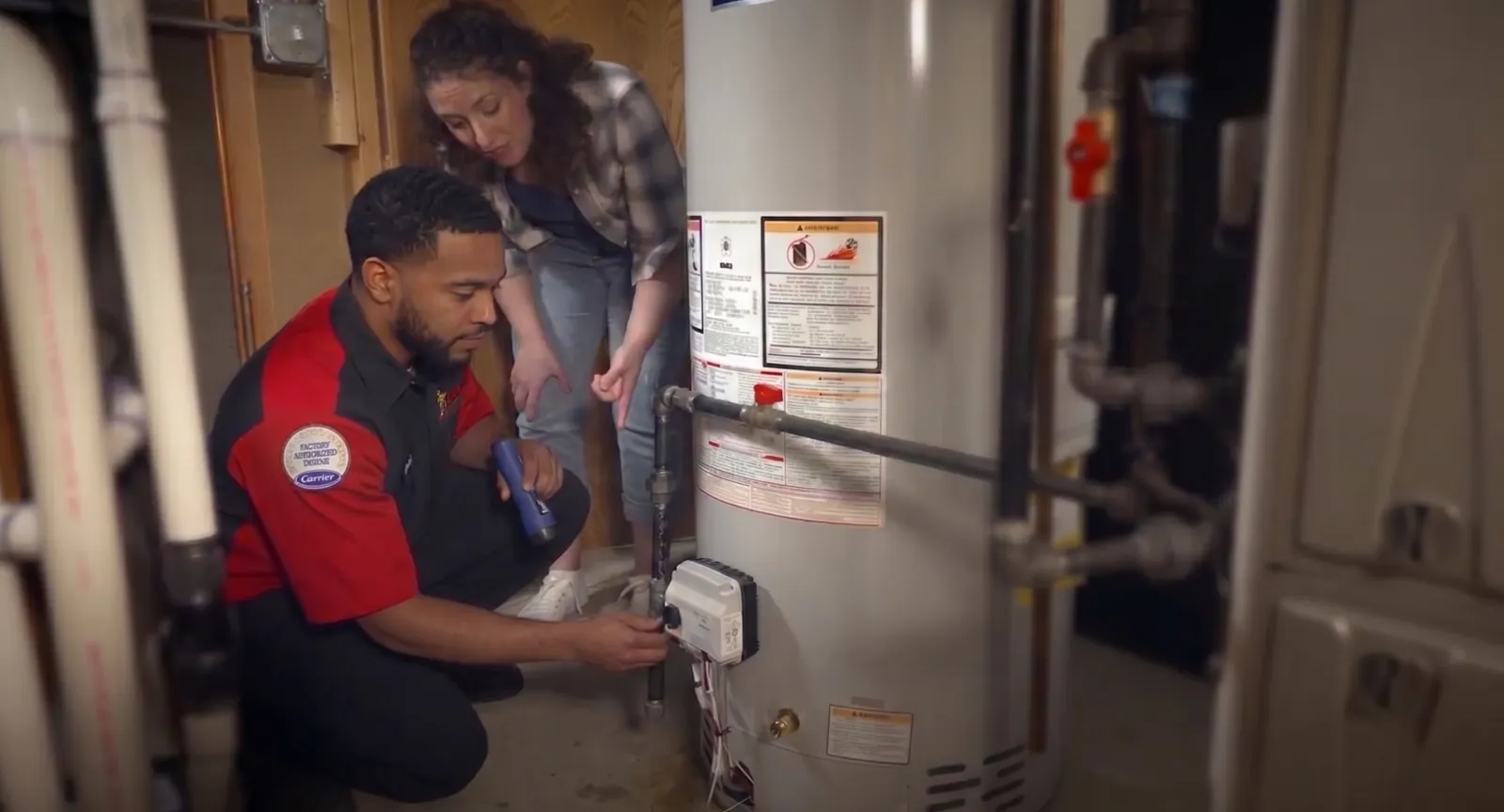
King's water heater maintenance includes a tank flush, an anode rod check, a pressure-relief valve test and an inspection for leaks and corrosion. If you're not sure what's causing the noise, you can ask for a free VIP plumbing inspection. Our water heater care guide explains flushing in more detail.
If the tank is older and the popping comes back fast after a flush, it may be near the end. Read should I repair or replace my water heater? before you decide. King will repair it when that makes sense and tell you honestly when it doesn't.
Why it's common in Chicagoland
Chicago-area water is moderately hard, so minerals settle in tanks across the city and suburbs. A tank that never gets flushed will build sediment faster here than in a soft-water area. A yearly flush is the simplest way to keep it in check, wherever you are in our service area.
If hard water is also leaving spots on dishes or scale on fixtures, ask about a water softener. It cuts down on minerals before they reach the tank.