
Water leaks are the quietest expensive problem in your home. A faucet that ticks overnight, a toilet that hisses when no one is nearby, a damp patch in the basement that never quite dries out — none of it feels urgent, and that is exactly why leaks cost so much. Left alone, a minor drip drains your budget slowly through the water bill and then, if it reaches wood, drywall, or your foundation, hits you with a repair that dwarfs the leak itself. At King Heating, Cooling & Plumbing, our plumbers have opened up enough walls across Chicago and Northwest Indiana to know how a five-minute fix becomes a five-figure headache. This guide breaks down what leaks actually waste, where the real costs hide, and how to catch trouble early.
Why a Small Leak Is a Big Problem
The math on a single drip looks harmless until you add up the year. Because you pay for every gallon that moves through your meter, a leak bills you around the clock whether you notice it or not. And a surprising share of homes are leaking right now without the owner knowing.
Nationwide, the EPA estimates household leaks waste close to 1 trillion gallons a year — about the same as the annual water use of 11 million homes. The good news buried in that figure: the agency says repairing easy-to-fix leaks can save a homeowner about 10 percent on their water bill. The waste is real, but so is the payback for acting on it.
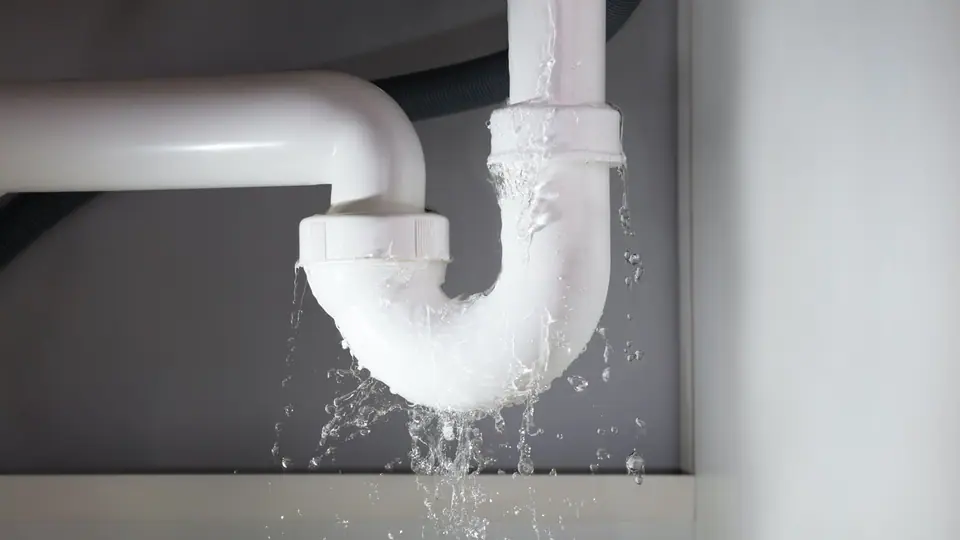
The Most Common Household Leaks
Not every leak behaves the same way. Some are loud and obvious; the costly ones tend to be silent. Here is where they usually start and what makes each one worth watching.
Most Wasteful
Running Toilets
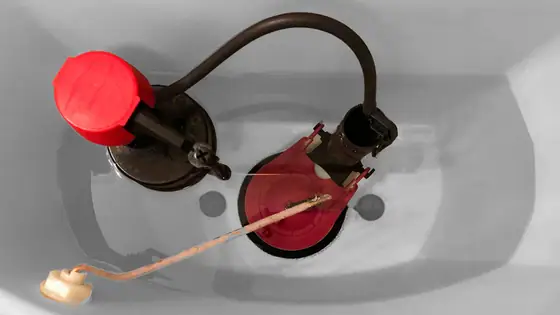
A worn flapper or a tank valve that never fully seals lets water trickle from tank to bowl continuously. It is often completely silent, which is why a running toilet can waste up to 200 gallons in a day before anyone catches it. If your toilet ghost-flushes or hisses, treat it as a real leak. Our rundown of the most common household plumbing problems covers the usual culprits.
Easy to Spot
Dripping Faucets
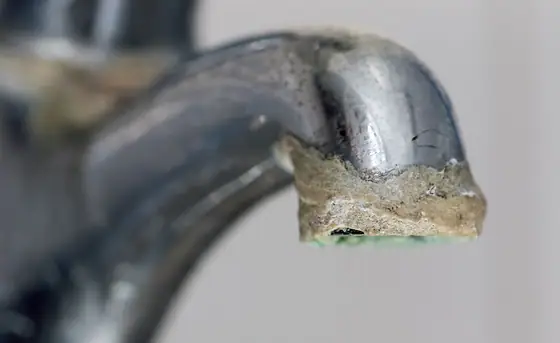
Usually a worn rubber washer or O-ring. A faucet dripping once per second wastes more than 3,000 gallons over a year — enough for well over 100 showers. It is one of the cheapest repairs in the house and one of the most ignored.
Most Costly
Hidden Pipe Leaks
Leaks inside walls, under floors, or beneath a slab are the dangerous ones. They run undetected for months, feeding mold and soaking framing before a stain or musty smell finally gives them away. Aging pipe, high water pressure, and freeze-thaw stress all contribute. This is where professional leak detection earns its keep.
Often Overlooked
Water Heater & Connection Leaks
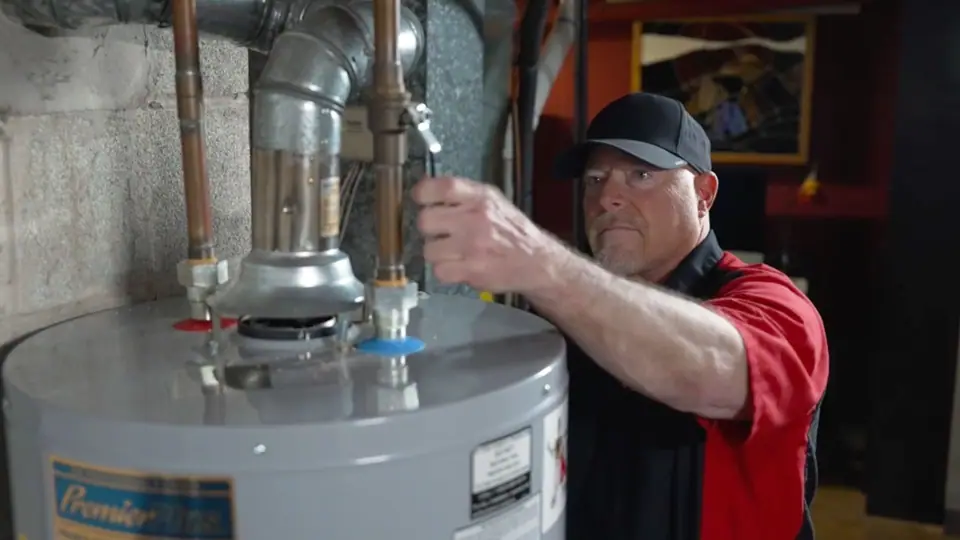
Corrosion inside the tank or a weeping valve can flood the area around the unit before you notice. A leaking tank rarely fixes itself. Our guides on what to do when a water heater leaks and whether to repair or replace an aging unit walk through the difference between a quick fix and a full replacement.
Outdoors
Outdoor Spigots & Hose Bibs
Worn washers, loose packing nuts, and winter frost damage make outdoor faucets leak long after you have forgotten about them. Water can wick into siding, basement walls, and crawlspaces, so a "harmless" garden-hose drip can end up as an indoor problem. Switching to frost-free hose bibs is a simple way to prevent them.
How Much Water Leaks Really Waste
Put the individual numbers together and the scale gets hard to ignore. These are EPA figures, and they describe ordinary homes, not disaster scenarios.
One in ten homes has a leak severe enough to waste 90 gallons or more every single day. Even a showerhead that drips at ten drops a minute gives up more than 500 gallons a year. None of this shows up as a dramatic flood — it shows up as a water bill that is quietly, steadily higher than it should be. Keeping fixtures and drains in good working order is the cheapest way to keep those gallons in the pipes where they belong.
The Real Damage Goes Beyond the Water Bill
The higher bill is the part you can see. The bigger cost is what water does when it lingers where it should not. This is the difference between a leak and a claim.
Mold and Rot
Trapped moisture is all mold needs. Once it takes hold in drywall, insulation, wood framing, or carpet, it spreads, and removing it properly often calls for professional remediation rather than a spray bottle. Beyond the structural damage, mold aggravates allergies and asthma, so a plumbing problem quietly becomes an air-quality one.
Foundation and Structural Damage
Water that reaches the foundation is the worst-case path. Over time it erodes the soil around and beneath your home, which can lead to settling, cracks, and shifting. It rusts steel supports and rots wooden beams and subfloor. Repairs at this level — underpinning, replacing supports, waterproofing — are among the most disruptive and expensive a homeowner can face, and they almost always trace back to moisture that went unaddressed.
Resale Value
A documented history of water damage follows a house. Buyers and inspectors treat past leaks as a red flag for hidden problems, and homes with known water or foundation issues routinely sell for less than comparable properties down the street. Fixing a leak today protects more than your walls; it protects what the home is worth.
Don’t Count on Insurance to Catch You
Standard homeowners policies are narrower than most people assume. Gradual damage from wear and tear, sewer or drain backups without a special endorsement, and flooding are all commonly excluded. Insurers also expect reasonable maintenance — a leak you could have caught and ignored can jeopardize a claim. In other words, prevention is not just cheaper than a repair; sometimes it is the only thing standing between you and the full bill.
Why Chicago Homes Are Especially at Risk
Leaks are a national problem, but a few things about living in Chicagoland stack the deck.
Brutal Freeze-Thaw Cycles
Chicago winters swing pipes through repeated freezing and thawing. Water expands as it freezes, stressing joints and cracking pipe — and a frozen line that bursts can release water fast. Insulating vulnerable pipes before the first hard freeze is cheap insurance.
Older Housing Stock
Much of the region’s housing still runs on aging galvanized steel or cast-iron plumbing that corrodes and thins from the inside out. If your home still has its original pipes, knowing how to handle plumbing in an older home can head off a lot of future leaks.
Basements Everywhere
Finished and unfinished basements are the norm here, which means a hidden leak or a failed pump can flood the lowest, most expensive-to-repair level of the home. A working sump pump is essential, not optional.
Snowmelt & Groundwater
Spring thaw and heavy rain raise the water table and push moisture toward foundations. Clear gutters, graded soil, and a tested sump pump keep that water moving away from the house instead of into it.
King serves homeowners across Chicago proper and the surrounding suburbs, as well as Northwest Indiana, and these regional realities shape how we approach plumbing repair and prevention here.
Warning Signs of a Hidden Leak
Most hidden leaks announce themselves quietly before they announce themselves loudly. Catch the early signals and you often catch the leak while it is still a small repair.
Watch For These
- A water bill that rises with no change in how much water you use
- Musty or damp odors in bathrooms, kitchens, or the basement
- Peeling paint, blistering wallpaper, or warped, discolored walls and ceilings
- Unexplained warm spots on the floor, which can point to a hot-water line leak
- The sound of running or trickling water when every fixture is off
- Low water pressure, or new cracks in walls or the foundation
How the Pros Find Hidden Leaks
The hardest part of a hidden leak is finding it without demolishing half a room. This is where professional tools make the difference between a targeted repair and a guessing game.
King’s plumbers rely on acoustic sensors that pick up the high-frequency sound of water escaping a pipe — a sound far beyond human hearing — to trace a leak through drywall and concrete. Infrared and moisture-metering tools reveal the temperature and dampness changes that water leaves behind, and pipe inspection cameras give a direct look inside a line. Together they let us pinpoint the source and make a precise cut, rather than opening a wall on a hunch. You can see the full scope of our leak detection and repair services on our site.
Leak Checks You Can Do Today
You do not need special equipment to catch most leaks early. These three checks take minutes and cost nothing.
Your 10-Minute Leak Audit
- The meter test. Turn off every water source in the house, note your water meter reading, wait two hours without using any water, and check it again. If the number moved, you have a leak.
- The toilet dye test. Put a few drops of food coloring in the toilet tank and wait about ten minutes without flushing. If color appears in the bowl, the flapper is leaking. Flush right after so you don’t stain the tank.
- The winter-use check. Look at a cold-month bill. The EPA says a household of four using more than 12,000 gallons in a month likely has a serious leak.
- Eyes and ears. Check under sinks, behind the toilet, around the water heater, and along exposed basement pipes for moisture, corrosion, or drips — and listen for hissing during a quiet moment at night.
Prevention Beats Detection
Know where your main water shut-off valve is before you ever need it — in a burst-pipe emergency, seconds count. Replace washing-machine and appliance supply hoses every few years, insulate exposed pipes before winter, and consider smart leak sensors near the water heater and under sinks. For hands-on fixes, our step-by-step sink plumbing guide is a good place to start.
When to Call a Professional
DIY checks catch a lot, but some situations call for a plumber right away rather than a wait-and-see.
Rule of Thumb
If your meter shows a leak you can’t locate, if bills stay high after a visible fix, or if you hear running water with everything off — call a plumber. Sewage odors, foundation cracks, or a sudden drop in water pressure are urgent and shouldn’t wait.
A burst pipe, a leak you can hear but can’t see, or water already reaching floors and walls is a plumbing emergency — shut off the water and call for help. King offers 24/7 service across Chicago and Northwest Indiana, and a free VIP plumbing inspection if you’d rather have a professional confirm your home is leak-free before anything goes wrong.