
As summer winds down, cooler air begins to creep in—and your HVAC system is about to enter a season of extremes. Fall is the perfect time to transition from A/C mode to heat, but far too often, homeowners get pressured into expensive replacements during seasonal checkups.
At King Heating, Cooling & Plumbing, we do things differently. Our fall prep approach is grounded in honest advice, proactive care, and peace of mind—never pushy upsells. This comprehensive fall guide will walk you through real, practical steps to care for both cooling and heating components, protect your system, and improve comfort without unnecessary expenses.
Why Fall Maintenance Isn’t Optional
Fall maintenance is more than a seasonal chore—it’s essential for bridging summer’s heavy AC usage and winter’s heating demands. Systems endure wear all year. If left unchecked, dust, debris, or minor issues can turn into major breakdowns or inefficiencies—often at the worst possible moment.
Long-Term Benefits Include:
- Better energy efficiency when heat is most in-demand
- Reduced chance of breakdowns during cold snaps
- Longer equipment life by catching issues early
- Lower energy bills thanks to smoother performance
- Improved indoor air quality from cleaner airflow
- Greater safety with carbon monoxide and combustion checks
Think of your HVAC system as the lungs and heart of your home: fall maintenance ensures it’s ready to breathe easy and beat strongly all winter long. That’s why our technicians don’t treat seasonal checkups as box-checking exercises—they approach them as essential health checks for your comfort system.
No Pressure, Just Preparation
Many companies use seasonal tune-ups as sales opportunities. Not us. Our technicians arrive with one goal: assess your system honestly, address real needs, and help you avoid unnecessary spending. We’ll explain your options and let you decide—no fear, no fast talk, no pushy pitches.
We know how stressful it can feel when a technician suggests expensive repairs or replacements you weren’t expecting. That’s why our team focuses on educating you about your system instead of overwhelming you with jargon or pressure. If something is urgent, we’ll explain why and show you the evidence. If it’s optional, we’ll tell you that too. And if your system is working well, we’ll leave it at that—no drama, no “limited-time offer” speeches.
Our reputation in Chicagoland has been built on honesty for more than 50 years. Families know they can call us and get straightforward guidance, not scare tactics. We’d rather keep you as a lifelong customer than make a quick sale you regret later.
This fall, build trust—not distrust. Let’s get started with actual actions you can take right away.
What to Expect from a King Fall Tune-Up
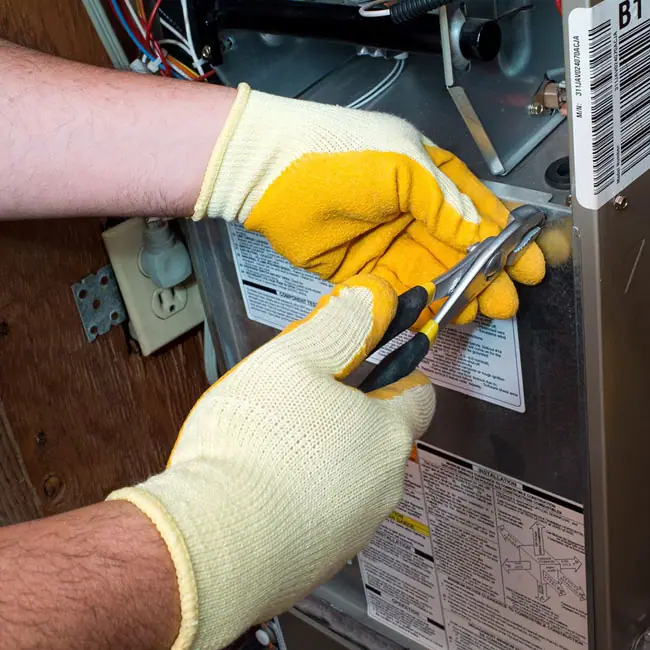
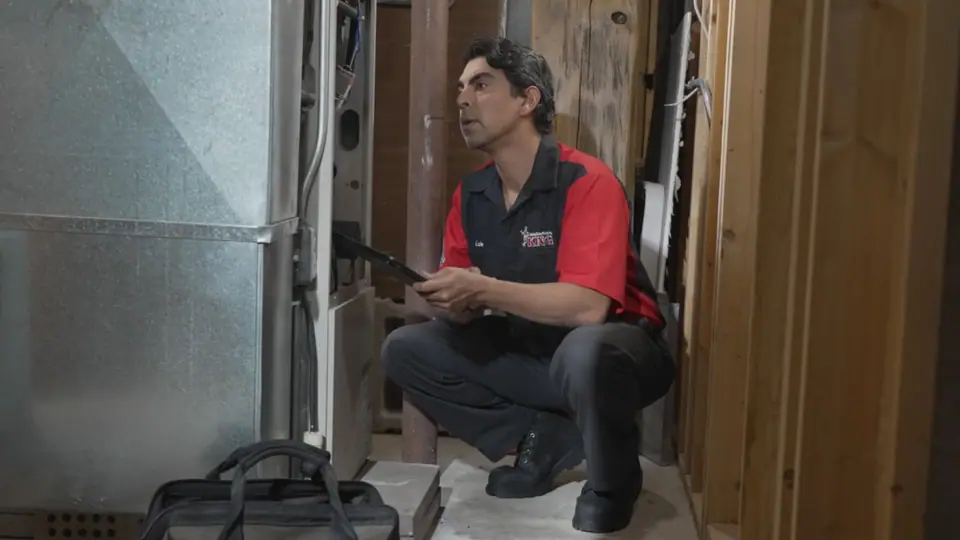
When you schedule a fall tune-up with King, here’s how we deliver value with transparency—not sales pressure:
- Dual-mode test: We assess both cooling shutdown and heating start-up performance, ensuring a smooth seasonal transition.
- Thermostat calibration: Settings are adjusted for accuracy so you’re not wasting energy on false readings.
- Filter inspection and swap: We’ll change it if needed or explain why it still has life left—no automatic upsell.
- Blower and motor diagnostics: Checking amp draw, lubrication, and bearings helps avoid mid-season failures.
- Electrical connections: We tighten, test, and look for signs of wear or risk.
- Heat exchanger scan: Detecting cracks early prevents dangerous carbon monoxide leaks.
- Condensate/drain line evaluation: We prevent clogs and water backup that can lead to mold or structural damage.
- Refrigerant check (if applicable): A low refrigerant level may signal leaks—better caught now than mid-summer.
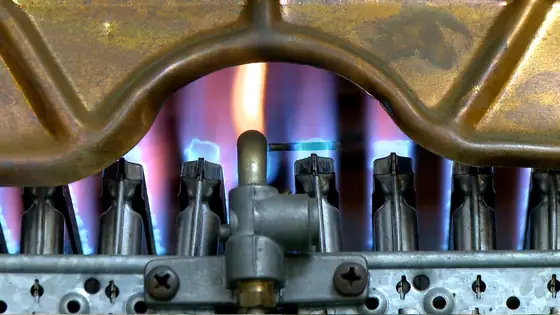
- Carbon monoxide and combustion tests: Ensuring safe operation is our highest priority for every gas furnace.
Our tune-ups also include documentation. You’ll know exactly what was inspected, cleaned, adjusted, or recommended. That way, you have a record of your system’s condition going into winter—a great tool for peace of mind and for resale value if you plan to move.
Fall Prep in Action: Real Tips You Can Do Today
Not everything requires a professional. Here are practical steps you can take now:
- Change your air filter every 1–3 months to keep air clean and equipment efficient.
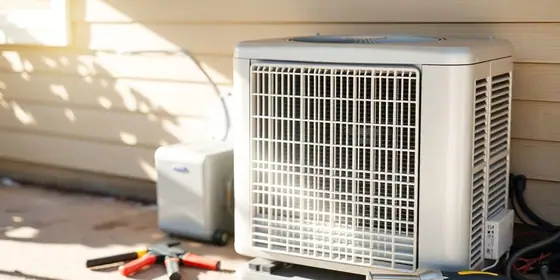
- Clean outdoor condenser coils with a garden hose and remove leaves, sticks, and grass clippings.
- Check all air vents and registers to ensure they’re open and not blocked by furniture or rugs.
- Test your thermostat by switching to heat mode early—don’t wait until the first freezing night.
- Listen for unusual system sounds like rattles, hums, or screeches that could point to loose parts.
- Inspect your heat exchanger if visible, or ask your technician to confirm safety.
- Look for rust, corrosion, or moisture around the furnace or air handler cabinet.
- Test CO and smoke detectors and replace batteries before the holidays.
- Vacuum out your blower cabinet if you’re comfortable—dust buildup strains the motor.
- Check pilot light or ignitor to ensure reliable ignition on gas furnaces.
How Fall Prep Saves You Money Long-Term
It’s easy to see maintenance as a short-term expense, but the real value lies in long-term savings. Regular fall prep can cut your monthly utility bills by ensuring your furnace or heat pump doesn’t overwork. A dirty filter or uncalibrated thermostat may only raise bills by a few dollars each month, but across a winter season that adds up quickly. Multiply that by several years, and you can see why skipping maintenance costs more in the end.
Maintenance also protects your warranty. Many HVAC manufacturers require proof of annual service before covering repairs. A King tune-up not only meets that requirement but also documents every step, giving you protection against unexpected costs down the line.
Finally, think about replacement. A furnace or AC that lasts 20 years instead of 12 isn’t just luck—it’s the result of consistent care. That’s thousands of dollars kept in your pocket, simply by scheduling yearly maintenance.
Signs You Need Extra Attention Before Winter
Most homeowners don’t know their system is struggling until it stops altogether. Here are warning signs to watch for this fall:
- Uneven heating: Some rooms warm faster than others.
- Strange odors: Burning, musty, or chemical smells during startup.
- Short cycling: System turns on and off more frequently than normal.
- High bills: Sudden spikes in energy costs despite normal use.
- Noisy operation: Loud bangs, clanks, or squeals.
If you notice any of these, don’t wait. Call us before the problem grows—and costs multiply.
Common Fall HVAC Questions
We hear many of the same questions every fall. Here are honest answers:
- Do I really need a tune-up every year? Yes. Small issues caught early prevent costly failures later. Annual maintenance keeps warranties valid too.
- How long does a tune-up take? Typically 60–90 minutes depending on system condition and accessibility.
- Will you try to sell me a new system? Only if diagnostics show it’s truly the smarter option. Otherwise, we focus on maintaining your existing equipment.
- What’s included in the cost? A full inspection, safety tests, cleaning, and adjustments. Parts or repairs are quoted separately—no surprises.
- Can I bundle plumbing or water heater service too? Yes! Many homeowners use fall tune-ups as a chance to check sump pumps, water heaters, or drains before winter.
Let’s Get Your System Fall-Ready—Without the Sales Pitch
This fall, choose peace of mind over pressure. King Heating, Cooling & Plumbing is your trusted partner for honest, experienced seasonal service. We help you maintain what works, fix what doesn’t, and avoid unnecessary costs—all while keeping your comfort and safety a top priority.
Don’t wait until the first frost. Book your tune-up now and enjoy a warm, stress-free season ahead.