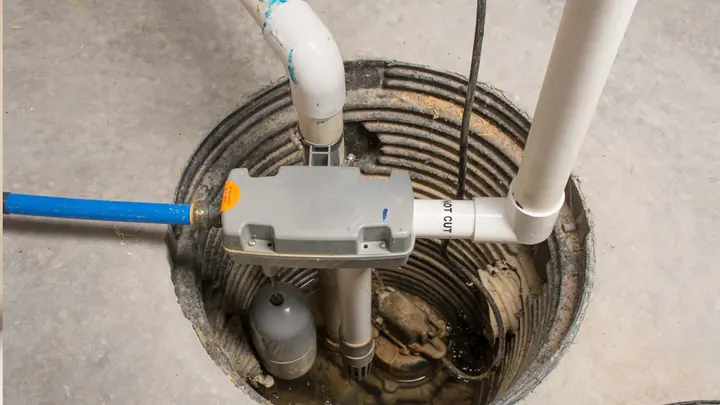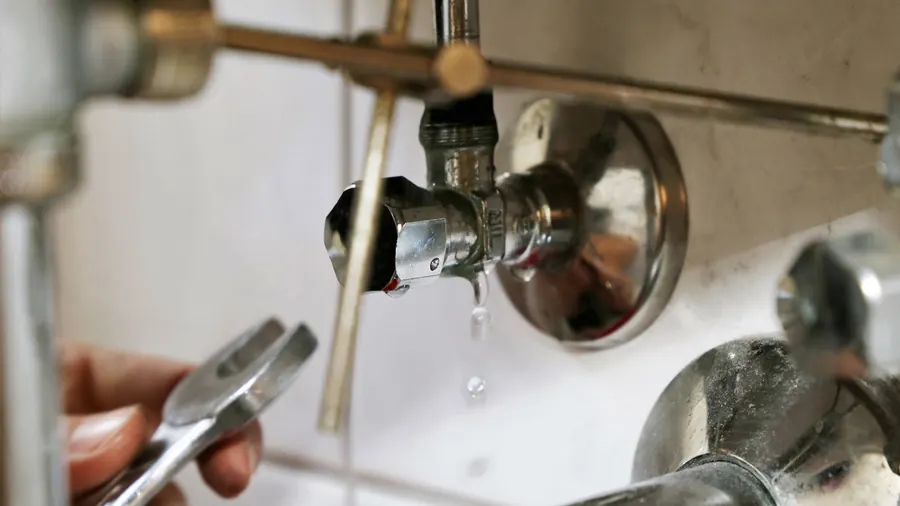

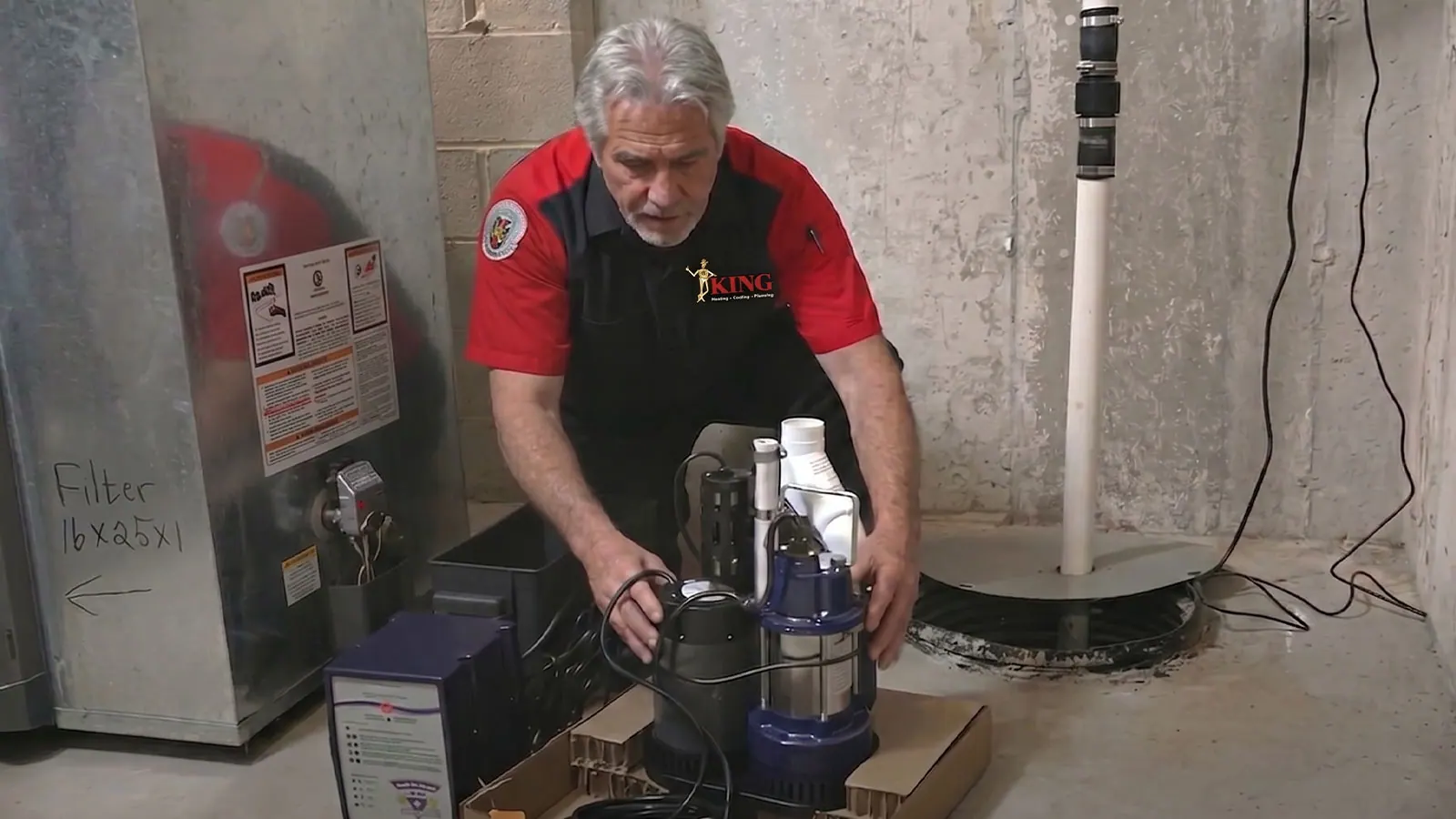
A primary sump pump with no electricity can't protect anything, and heavy rain doesn't wait for the power to come back on. That's the whole case for a backup.
King installs sump pumps, including battery-powered models. If you want a backup assessed for your basement, our plumbers will look at your pit and your water volume before recommending anything. Sump pump repair and installation.
Option 1: a battery-powered backup pump
This is the answer to a power outage. The unit runs off a battery instead of household current, so when the lights go out, the pit keeps getting pumped.
- Best for: homes that lose power during summer storms, which across Chicagoland is most homes.
- Runs independently: no household current needed while the battery holds a charge.
- Installed by our plumbers: every sump pump we install is backed by our 100% satisfaction guarantee.
- The limitation: run time depends on the battery, the pump and how hard the pit is working.
Option 2: a second pump, separate circuit
This is the answer to a pump failure rather than a power failure. A second pump installed as a backup, especially on its own circuit, means a seized motor or a tripped breaker on the primary doesn't leave the pit unattended. Many experts agree the redundancy is worth it, and it has spared plenty of local homeowners a flooded basement.
- Best for: an aging primary pump, or any basement where a single point of failure isn't acceptable.
- Covers mechanical failure: a seized motor or stuck float on the primary no longer means standing water.
- The separate circuit matters: a tripped breaker takes out everything on that circuit, backup included.
- The limitation: it still needs household power, so on its own it doesn't cover an outage.
Which setup do you need?
| Item | Battery backup | Second pump |
|---|---|---|
| Protects against | Power outage | Mechanical failure |
| Runs without household power | Yes | No |
| Usual reason people buy | Repeated storm outages | An aging or overworked primary pump |
| What to keep an eye on | Battery age and charge | Float switch and the circuit it's on |
What doesn't change either way: the whole system needs an annual inspection, or neither backup helps you.
Who should seriously consider a backup
- Finished basements. Flooring, drywall and belongings turn a pump failure into a very expensive problem.
- A high water table, or a pit that cycles often even in ordinary weather.
- Regular storm outages. If your block loses power most summers, you already know the answer.
- An older primary pump. Common across the south and southwest suburbs, where pump age is often unknown.
- Anyone who travels. A failure you're not home to notice runs for days rather than hours.
Summer thunderstorms and spring snowmelt bring the highest groundwater of the year, and those same storms often knock out power. The failure isn't exotic. It's the most predictable thing in home plumbing: maximum water, zero power, same afternoon. New to sump pumps? Start with what sump pumps are and why Chicago homes need them.
When the problem isn't the pump
A backup protects against water coming up through the pit. It does nothing about water coming up through floor drains, which is a different problem with a different fix. If heavy rain brings standing water or sewage in through basement drains, the issue is likely further down the line. Read about sewer line problems, and ask about backflow prevention along with drain cleaning.
Keeping a backup ready
A backup only helps if it runs on the day it matters. Backups usually fail from neglect, not wear: they sit unused for months, then have to perform under load.
- Have the whole system inspected once a year, before the spring rains. We check the parts and clear the dirt and gravel that build up in the pit.
- Test the float switch on both pumps. A stuck float is a working pump that never turns on.
- Keep the discharge line clear and pointed away from the foundation.
- Watch battery age. Batteries degrade whether or not they're ever used.
- Know the warning signs: constant running, rapid cycling, grinding, or a pit that stays full.
For the replacement side of the decision, when repair stops making sense and what drives the cost, see our sump pump cost and replacement guide.