
heating system represents one of your biggest investments as a homeowner. The howling winds and piling snow in Chicago make a reliable heating system more than a luxury—it’s a necessity.
The HVAC industry changes faster than ever, making contractor selection trickier. New EPA regulations will require all residential systems to use A2L refrigerants starting January 1, 2025. Smart features now appear in 40% of new installations. Your living space matters too—whether you own a cozy Chicago apartment or a spacious home in Naperville or Evanston.
King Heating, Cooling & Plumbing brings you this detailed guide as trusted experts in the field. We handle all the work mentioned in this piece. The right contractor shouldn’t disappoint, and we’ll guide you through 7 critical steps—from credential verification to quote understanding. The numbers speak for themselves: almost one-quarter of households bought qualified energy-efficient products last year. These satisfied customers proved their smart choice, with 71% ready to recommend these products to friends. Assess Your Home’s Heating Needs
Image Source: Department of Energy
You need to know your specific heating needs before picking a furnace installation contractor. A proper assessment will save you from costly mistakes and keep your Chicago home warm through those brutal Midwestern winters.
Why home size and age matter for furnace installation
Your home’s unique characteristics determine the right furnace size. Square footage creates the baseline calculation—you’ll need about 30-60 BTUs per square foot in Chicago’s climate zone. This formula gives you a starting point.The age of your home affects heating needs by a lot. Chicago homes built before 1980 usually have less insulation and more air leaks. These homes need up to 60% more heating power than newer buildings of the same size. Older properties in Lincoln Park or Bridgeport need different solutions than newer construction in Naperville or Oak Park.
These factors affect proper furnace sizing:
- Ceiling height (higher ceilings need more BTUs)
- Window efficiency and quantity
- Insulation quality in walls and attic
- Home orientation and sun exposure
- Number of exterior walls
Budgeting for a new furnace in Chicago
A new furnace installation in Chicago can get pricey. Most installations run between $4,000 and $12,000, based on the system type, efficiency, and how complex the installation is.High-efficiency systems cost more at first but save you money over time. This matters in Chicago where heating systems run for almost six months each year. A 96% AFUE (Annual Fuel Utilization Efficiency) furnace might cost $2,000 more than an 80% model upfront but saves about $300 yearly on utility bills.
Homes with existing ductwork usually cost less for installation than those needing new distribution systems. Older Chicago homes might need duct modifications, which adds $1,000-$3,000 to the total cost.
The lowest price shouldn’t be your only deciding factor. Low bids often mean cut corners in equipment quality or installation work. Look for value instead—where reasonable cost meets quality work from trusted furnace installation companies.
King Heating, Cooling & Plumbing offers clear pricing and financing options to make quality installations available to Chicago homeowners. Ask about rebates and tax credits for energy-efficient systems that can lower your costs by a lot.
Choosing the right heating system type
The best heating system matches your home’s features and your priorities.Gas furnaces are Chicago’s most popular choice because they cost less to run and work great in extreme cold. Electric furnaces work for homes without gas service but usually cost more to operate in our climate.
These options give you maximum efficiency:
Dual-fuel systems pair a heat pump with a furnace. They use electricity during mild weather and gas during extreme cold—perfect for Chicago’s changing climate. Heat pumps work well in moderate temperatures but need backup heating during harsh Chicago winters.
Smart features have become crucial. Modulating furnaces fine-tune their output instead of just turning on and off. This keeps temperatures steady while using 25-35% less energy.
Zoning systems let you set different temperatures throughout your home. You’ll stay comfortable where needed while saving energy in less-used spaces. This works especially well in multi-level Chicago homes where heat rises to upper floors.
The core team at King Heating, Cooling & Plumbing will help you pick a system that fits your home’s structure, comfort needs, and budget during your consultation. A full picture now will prevent costly mistakes and give you reliable heating in your Chicago home for years. Start with Trusted Recommendations
The search for a reliable furnace installation contractor begins with solid recommendations. You need to build a shortlist of potential contractors after figuring out your heating needs. This step helps you focus on professionals who have already shown their expertise.
How to ask neighbors and friends for referrals
Start by talking to people who have homes and heating needs like yours. Your Chicago neighbors deal with the same weather and might have upgraded their systems recently. Their real experiences will tell you more about a contractor’s work quality, professionalism, and customer service than any marketing material.Here are key questions to ask when seeking referrals:
- How quick was the contractor to respond during installation?
- Did they pay attention to your comfort needs and concerns?
- What unexpected problems came up and how did they handle them?
- Would you use their services again?
We at King Heating, Cooling & Plumbing welcome our potential customers to talk to our existing clients. The number of customers who come to us through referrals shows our dedication to quality service.
Using online platforms to find HVAC contractors
The digital world gives you many ways to find trusted furnace installation companies. These platforms should be your first stops:- Google Business Profiles: Look for high ratings and lots of reviews - these help contractors rank better in local searches.
- Better Business Bureau (BBB): Check if contractors have BBB accreditation and their rating (A+ to F), which shows their business practices and how they handle complaints.
- Nextdoor: This local platform lets you connect with neighbors who can suggest services in your area, working like word-of-mouth online.
- Facebook: Local groups often talk about HVAC services, and active business pages make it easy for happy customers to recommend contractors.
King Heating, Cooling & Plumbing stays active on these platforms and responds quickly to all customer feedback. This shows our commitment to being open and providing excellent service.
Why local reputation matters
Good local reputation points to reliable, quality service. Online ratings affect a business’s success directly - a one-star rating increase can boost revenue by 5-9%.Local contractors like King Heating, Cooling & Plumbing know Chicago’s weather challenges and building types inside out. This local knowledge plays a vital role in proper furnace installation, especially with our changing weather.
Trust stands as the main reason reputation matters for home service companies. Reviews show you:
- Past performance records
- How contractors deal with problems
- Whether they’re right for your home
It’s worth mentioning that the cheapest option isn’t always best. Industry experts point out that price differences between contractors often make sense. Check Credentials and Certifications
You might think checking a furnace installation contractor’s credentials is a hassle, but this step will protect your home and investment from unqualified work. After getting recommendations, you need to check their qualifications as your next step in hiring.
Licensing and insurance for HVAC contractors
Illinois doesn’t require state-level licensing for HVAC contractors, which sets it apart from many other states. Notwithstanding that, contractors can’t just operate without credentials. Chicago doesn’t have specific HVAC licensing rules, but contractors still need to get business licenses and follow local rules.Since there’s no state licensing, checking insurance becomes crucial. Every legitimate furnace installation contractor must have two types of coverage:
- General liability insurance - Protects your property from damage during installation
- Workers’ compensation insurance - Covers potential injuries to technicians working in your home
NATE certification and other industry standards
Professional certifications show a contractor’s expertise and steadfast dedication to quality, even without state licensing requirements. North American Technician Excellence (NATE) is the nation’s largest nonprofit certification organization for HVACR technicians, with over 41,759 certified professionals nationwide.NATE certification requires passing tough exams that cover:
- HVAC Fundamentals
- Electrical and Controls
- Comfort and Airflow
- Installation
- Service
EPA Section 608 Certification is another must-have for reputable furnace installation contractors. Federal law requires this for anyone who handles refrigerants. This certification means technicians understand how to handle and dispose of potentially harmful materials safely.
King Heating, Cooling & Plumbing’s NATE-certified technicians keep all required certifications current and take continuing education to stay up-to-date with industry changes.
How to verify contractor legitimacy
The varied certification landscape makes thorough verification crucial. Here’s how to confirm a contractor’s credentials:- Request proof of insurance - Ask for current Certificates of Insurance (COI) showing liability and workers’ compensation coverage
- Check for EPA certification - Verify Section 608 certification for refrigerant handling
- Ask about NATE certification - NATE-certified technicians have shown superior technical knowledge
- Verify online reviews - Check platforms like Google and the Better Business Bureau for contractor ratings
- Request references - Contact previous customers with similar installation projects
Good contractors will happily provide documentation to prove their qualifications during your verification process. King Heating, Cooling & Plumbing openly shares all certifications, insurance information, and references when asked. This shows our commitment to professional furnace installation.
Note that certified contractors might charge more than uncertified ones. This reflects their investment in proper training, insurance, and quality workmanship - and ended up giving you safer, more reliable installations for your Chicago home. Ask the Right Questions Before Hiring
You need to verify credentials before you talk to potential furnace installation contractors. King Heating, Cooling & Plumbing suggests you prepare specific technical questions. These questions help you identify qualified professionals from those who just look good on paper.
Questions about A2L refrigerants and 2025 compliance
You should ask potential furnace installation contractors about their knowledge of upcoming regulatory changes. New EPA regulations for residential systems took effect January 1, 2025 and require A2L refrigerants. Your contractor needs to understand these requirements fully.Quality contractors should explain:
- How these changes affect your current or new system
- Whether your existing equipment needs modification
- Cost implications of regulatory compliance
How contractors handle emergency repairs
A contractor’s emergency service policies reveal their reliability and dedication to customers. Here are key questions to ask:"What is your emergency response protocol?" Good companies provide 24/7 emergency services when your system breaks down at night. Contractors should give you clear timelines for emergency response.
"What are your emergency service fees?" Companies often charge extra for after-hours service. You should know these costs beforehand. To cite an instance, some contractors charge $500 for emergency service, while service program members might pay around $250.
"How quickly do you typically respond to emergency calls?" The answer shows their service capacity and dedication to customer comfort.
King Heating, Cooling & Plumbing gives you complete emergency services with clear pricing and quick response times throughout Chicago.
Understanding SEER ratings and energy efficiency
Efficiency matters more as energy costs rise. Knowledgeable contractors should explain:What SEER2 ratings actually mean: SEER (Seasonal Energy Efficiency Ratio) measures cooling efficiency over an entire season. Higher ratings mean better efficiency. The Department of Energy introduced updated standards with SEER2 calculations in January 2023 that reflect real-life conditions better.
How efficiency affects your budget: An 18 SEER unit saves 20% more energy than a 14 SEER2 unit, while a 20 SEER2 unit saves roughly 43% more. High-efficiency units cost more upfront, but energy savings often make up for this investment over time.
Why SEER ratings matter in Chicago: Our extreme temperature changes make efficiency crucial. Ask contractors to explain:
- How specific SEER ratings translate to dollar savings in our climate
- Whether variable-speed systems benefit your home
- If your home qualifies for energy efficiency tax credits (systems with SEER2 ratings of 16+ may qualify)
King Heating, Cooling & Plumbing gives honest guidance on efficiency options. We help customers make smart decisions that balance upfront costs with long-term savings. Our technicians can handle all installations and upgrades mentioned in this piece with precision. Compare Transparent Quotes and Timelines You need to compare multiple quotes from qualified heating contractors after collecting them. A really good evaluation of quotes and timelines will help you avoid getting pricey mistakes and pick the best value furnace installation contractor.
What a detailed HVAC quote should include
A clear furnace installation quote removes guesswork and offers complete transparency. King Heating, Cooling & Plumbing’s quotes always have these vital components:- Equipment specifications - Brand name, model number, capacity, and efficiency ratings (AFUE for furnaces, SEER2 for air conditioners)
- Labor and installation costs - Estimated labor hours, hourly rates, and any extra charges for complex installations
- Permits and inspections - Required permits, who gets them, and whether inspection costs are included
- Ductwork evaluation - Inspection, repair, or modification needs of existing ducts during installation
- Warranties and guarantees - Manufacturer warranties (parts) and installer warranties (labor), with coverage length details
Want a clear, detailed quote for your furnace installation? Request Service from King Heating, Cooling & Plumbing today.
How to compare multiple furnace installation bids
Start by creating a simple spreadsheet. Add columns for each contractor and rows for major categories (equipment, labor, permits, ductwork, warranties). This layout helps you spot coverage gaps between proposals quickly.Label each item as "Included," "Not Included," or "Extra Cost". Add dollar values to inclusions - a $600 duct sealing job in one bid might explain why the overall price is higher.
Look beyond the upfront costs to assess long-term value. A much lower estimate should raise questions:
- Does it have a less efficient system?
- Are permits or ductwork modifications left out?
- Is the unit sized wrong for your home?
Timeline expectations for furnace installation
Professional HVAC contractors usually finish a standard furnace installation in under a day. Projects that need ductwork changes, electrical upgrades, or custom work might take extra time.Your quote should show estimated installation start and finish dates. This helps you plan better - whether it’s taking time off work or keeping kids and pets away during installation.
King Heating, Cooling & Plumbing gives realistic timeframes for all installation projects. We know having workers in your home affects your routine, so we communicate our schedule clearly and stick to it.
The installation process includes:
- Preparing and protecting your home
- Taking out and disposing of old equipment
- Installing the new furnace and connecting it to existing systems
- Testing to ensure everything works right
- Cleaning up and walking through the completed work
Modern furnace installations go beyond simple heating. They now include advanced technology that boosts both efficiency and comfort. You need to understand these options to future-proof your system when you choose your contractor.
Smart thermostats and predictive maintenance
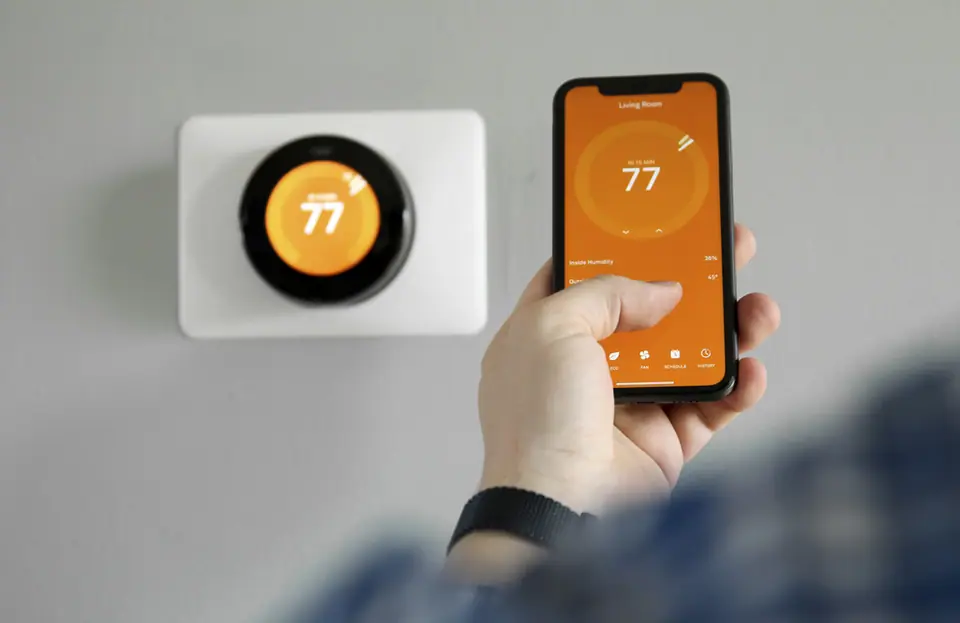
Smart thermostats are nowhere near just remote temperature controllers. These devices study your behavior and environmental data to optimize performance on their own. They learn your schedule, priorities, and usage patterns over time. This reduces unnecessary cycling and makes run times more efficient while keeping you comfortable.Smart models also watch system performance and alert you when they spot unusual patterns. Your system might need attention if there are sudden efficiency drops or airflow changes. These could point to filter problems or mechanical issues. This feature helps fix small problems before they get pricey, which cuts emergency breakdowns in half.
Smart thermostats blend with other home systems like lighting, security, and occupancy sensors. This gives you a detailed view of your home’s environment. A tech-savvy furnace installation contractor from King Heating, Cooling & Plumbing makes sure these systems work together naturally.
Indoor air quality upgrades and UV systems
Indoor air quality (IAQ) improvements are vital parts of modern HVAC systems. We spend about 90% of our time inside where pollutant levels can be 2-5 times higher than outside. These upgrades offer great health benefits.Key IAQ improvements include:
- UV-C technology - These systems use ultraviolet light near HVAC coils or in ductwork to neutralize bacteria, mold, viruses, and other pathogens. You only need to replace these lamps once a year, which makes them some of the most budget-friendly IAQ upgrades.
- Whole-house air filtration - Advanced filtration systems catch many more contaminants than standard furnace filters, including allergens and airborne particles.
Why tech-savvy contractors are vital in 2025
HVAC technology moves faster every day, making knowledgeable contractors more important than ever. About 70% of new commercial HVAC installations will connect to smart building systems with AI and IoT technologies by 2025. Home systems follow this trend, with 57% of U.S. homeowners likely to use smart home technology by 2025.New efficiency rules and refrigerant changes need contractors with current knowledge. A contractor who knows smart features can make sure your system runs at its best while staying efficient and convenient.
King Heating, Cooling & Plumbing pioneers HVAC technology. They expertly install smart thermostats, IAQ systems, and other advanced features that today’s homeowners want in their heating systems. Finalize with a Written Contract and Warranty Your furnace investment needs a well-written agreement and proper warranty protection. Before starting any work, you should review the contract details and understand warranty coverage to protect your Chicago home.
What to include in your HVAC contract
A complete HVAC contract protects you throughout the installation process. The document should spell out:- Scope of work - Detailed description of equipment removal, installation procedures, and any ductwork modifications
- Equipment specifications - Exact make, model, and technical details of all components being installed
- Timeline - Specific start and completion dates with key milestones
- Pricing breakdown - Itemized costs for equipment, labor, permits, and additional fees
- Payment schedule - When deposits and final payments are due
- Change order procedures - How modifications to the original scope are handled
Warranty coverage for labor and equipment
Your furnace comes with two types of warranties:- Manufacturer warranties cover equipment parts, typically lasting 5-10 years. These protect against defects in materials and workmanship but usually exclude labor costs.
- Labor warranties from your installer protect against installation issues, typically lasting 1-3 years.
Ready to secure your home’s comfort with proper contract protection? Request Service from King Heating, Cooling & Plumbing today.
Why maintenance plans add long-term value
Maintenance plans include two scheduled tune-ups each year (before heating and cooling seasons). These plans give you several benefits:- Cost savings - Annual maintenance plans range from $175-$350, less than scheduling separate appointments
- Warranty protection - Regular maintenance keeps your warranties valid
- Priority service - Plan members get faster emergency response during extreme weather
- Discounted repairs - Many plans include reduced rates on parts and labor
| Step | Main Purpose/Focus | Key Requirements/Components | Benefits/Importance | Related Tools/Resources |
|---|---|---|---|---|
| Review Your Home’s Heating Needs | Find out exactly what heating you need | - Square footage calculation (30-60 BTUs/sq ft) - Home age review - Manual J load calculation | Right-sized system that fits your home perfectly | - Professional assessment tools - BTU calculators |
| Start with Trusted Recommendations | Get reliable contractor referrals | - Key questions for references - Verify from multiple sources - Local community feedback | Find proven professionals with solid experience | - Google Business Profiles - BBB - Nextdoor - Facebook groups |
| Check Credentials and Certifications | Make sure contractors are qualified | - General liability insurance - Workers’ compensation - NATE certification - EPA Section 608 certification | Work with qualified pros and protect your interests | - Certification databases - Insurance verification tools |
| Ask the Right Questions | See how much contractors know | - A2L refrigerant knowledge - Emergency service protocols - SEER ratings understanding | Shows technical expertise and service quality | - Technical specifications - Emergency response policies |
| Compare Transparent Quotes | Look at costs and value offered | - Equipment specifications - Labor costs - Permits/inspections - Warranties | Get fair pricing and complete service coverage | - Quote comparison spreadsheets - Timeline estimates |
| Understand Smart Technology and IAQ | Learn about modern system features | - Smart thermostat options - IAQ upgrades - UV system integration | Improve comfort and system efficiency | - Smart home integration tools - IAQ monitoring systems |
| Finalize Contract and Warranty | Get legal protection | - Detailed scope of work - Equipment specifications - Payment terms - Warranty coverage | Gives you legal protection and service guarantees | - Written contracts - Maintenance plans |
The right choice starts with understanding what you need. Good recommendations help you find proven professionals quickly. You should verify their credentials to protect your investment from unqualified workers. Smart questions about emergency services, compliance, and efficiency ratings will show you their true expertise beyond fancy marketing claims.
Detailed quotes take time to compare, but this step helps avoid confusion and surprise costs later. A tech-savvy contractor can guide you through smart technology options and air quality upgrades that boost your system’s performance. Written contracts and warranties will protect your investment in the long run.
King Heating, Cooling & Plumbing can handle every aspect of furnace installation mentioned in this piece. Our NATE-certified technicians provide reliable service across Chicagoland - from home assessments to smart thermostat setup and everything in between. Want to get your home ready before winter hits? Request Service today and see how professional installation improves your family’s comfort and your system’s lifespan. Key Takeaways When hiring a furnace installation contractor in Chicago, these critical steps will protect your investment and ensure reliable winter heating:
- Assess your home’s specific heating needs first - Proper furnace sizing requires 30-60 BTUs per square foot plus Manual J load calculations accounting for home age, insulation, and layout.
- Verify credentials thoroughly since Illinois lacks state HVAC licensing - Confirm general liability insurance, workers’ compensation, NATE certification, and EPA Section 608 certification for refrigerant handling.
- Ask about 2025 A2L refrigerant compliance and emergency service protocols - Quality contractors understand upcoming EPA regulations and offer 24/7 emergency response with transparent pricing.
- Compare detailed quotes including equipment specs, labor, permits, and warranties - Itemized quotes prevent surprise costs and help evaluate long-term value beyond initial price.
- Secure written contracts with comprehensive warranty coverage - Include detailed scope of work, payment schedules, and both manufacturer (parts) and labor warranties for complete protection.
- Consider smart technology and indoor air quality upgrades - Modern systems with smart thermostats and UV air purification provide enhanced efficiency and healthier indoor environments.
The right contractor combines technical expertise with transparent communication, proper credentials, and comprehensive service guarantees. Taking time to follow these steps ensures your Chicago home stays warm through harsh winters while protecting your significant heating system investment. FAQs Q1. What credentials should I look for when hiring a furnace installation contractor in Chicago? Since Illinois doesn’t require state-level HVAC licensing, it’s crucial to verify other credentials. Look for contractors with general liability insurance, workers’ compensation coverage, NATE certification, and EPA Section 608 certification for refrigerant handling. These ensure the contractor is qualified and your property is protected.
Q2. How long does a typical furnace installation take? A standard furnace installation usually takes less than a full day, typically 4-8 hours. However, more complex projects involving ductwork modifications or electrical upgrades may take longer. Always ask for an estimated timeline from your contractor to plan accordingly.
Q3. What should be included in a detailed furnace installation quote? A comprehensive quote should include equipment specifications (brand, model, capacity), labor costs, permit and inspection fees, any ductwork modifications, and warranty information. It should clearly distinguish between inclusions and exclusions to avoid surprise charges later.
Q4. Are smart thermostats worth considering with a new furnace installation? Yes, smart thermostats can significantly enhance your heating system’s efficiency and comfort. They learn your schedule and preferences, optimize performance, and can even predict maintenance needs. Many integrate with other home systems for comprehensive environmental control.
Q5. How important are maintenance plans for a new furnace? Maintenance plans are highly valuable for new furnace installations. They typically include bi-annual tune-ups, which are often required to keep warranties valid. These plans can also provide cost savings through discounted repairs, priority service during emergencies, and prolonged system life through regular care.